Song Meaning
Katie Melua's rendition of "Have Yourself a Merry Little Christmas" doesn't just rehash holiday cheer; it subtly excavates the emotional architecture beneath the surface of forced merriment. The song, a standard in the Christmas canon, acts as both a comforting balm and a stark acknowledgement of underlying anxieties. Melua's delivery, characteristically poised, lends a layer of wistful maturity to lyrics that might otherwise feel saccharine. The opening lines, an urging to "let your heart be light," immediately hint at the weight that needs lifting, suggesting a conscious effort to manufacture joy rather than an effortless outpouring of it. This isn't simply about Christmas; it's about actively willing oneself into a state of peace. The lyric, "From now on our troubles will be out of sight", suggests a needed, perhaps temporary, blindness to hardship.
The song's middle verses delve into nostalgia, a common coping mechanism during times of stress. The "happy golden days of yore" become a refuge, an idealized past contrasted against a potentially bleak present. There's a quiet desperation in the longing for the familiar presence of "faithful friends," hinting at a fear of isolation or loss. This yearning for connection underscores the song's deeper theme: the human need for belonging and stability amidst uncertainty. The invocation of "Fates" introduces a fatalistic element, acknowledging the limitations of human control. Despite the desire for togetherness, there's an underlying awareness that external forces may intervene.
Ultimately, Katie Melua's interpretation doesn't ignore the shadows; instead, it embraces them, offering a tempered hope that acknowledges the complexities of the human experience. The final line, a plea to "have yourself a merry little Christmas now," carries a poignant urgency. It's not a guarantee of untroubled joy, but a gentle encouragement to seize the present moment and find solace where one can, even if that solace is fleeting or manufactured. The song's true meaning isn't just about Christmas, but about the human capacity to find light in the face of darkness, even when that light is just a "shining star upon the highest bough."
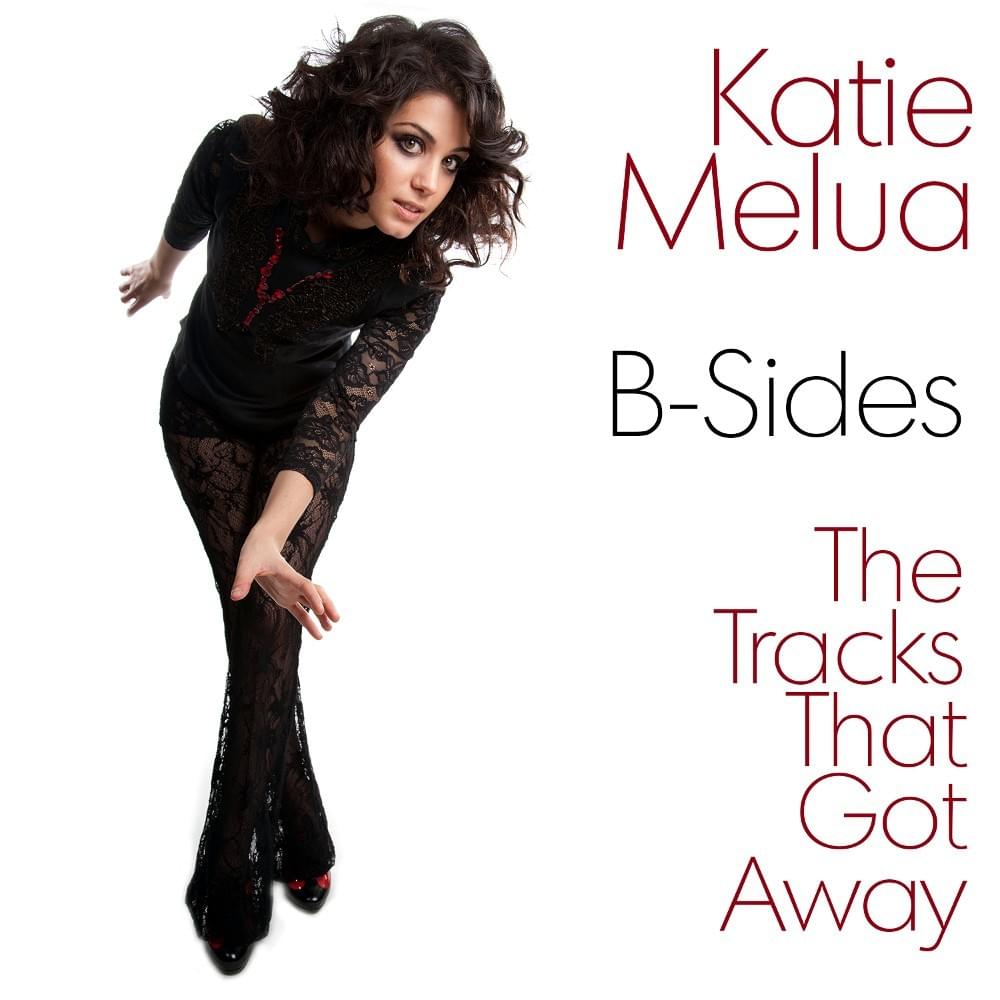
 View Artist