Song Meaning
Katie Melua's "用背脊唱情歌 (no full frontal)" immediately subverts expectations, its title a jarring juxtaposition to the serene, almost liturgical, lyrics. The song meaning resides not in easily digestible pop sentiments, but in a deeply spiritual space. The lyrics, sung in Church Slavonic, are taken from the Nunc dimittis, a canticle from the Gospel of Luke. This hymn is traditionally sung at Vespers or Compline, marking the end of the day and a peaceful acceptance of death after having witnessed salvation.
The choice of this specific text is crucial. Sung by Simeon upon seeing the infant Jesus, it speaks of release, peace, and the recognition of divine salvation. Melua isn't simply presenting a beautiful melody; she's invoking a profound sense of closure and spiritual fulfillment. The 'salvation' witnessed isn't necessarily religious in a dogmatic sense, but could be interpreted as a personal epiphany, a moment of clarity, or the resolution of a long-held internal conflict. The lyrics analysis points towards a theme of acceptance—letting go of earthly burdens and embracing a higher purpose, whatever that may be.
The parenthetical "(no full frontal)" in the title adds another layer of complexity. It acts as a self-aware wink, a moment of levity that acknowledges the inherent seriousness of the lyrics. It could be interpreted as a commentary on the music industry itself, a refusal to offer the listener a superficial, easily consumable experience. Instead, Melua offers something deeply personal and spiritually resonant, albeit cloaked in a title that is both intriguing and slightly irreverent. The song, therefore, becomes a meditation on faith, acceptance, and the courage to present vulnerability without resorting to cheap sensationalism.
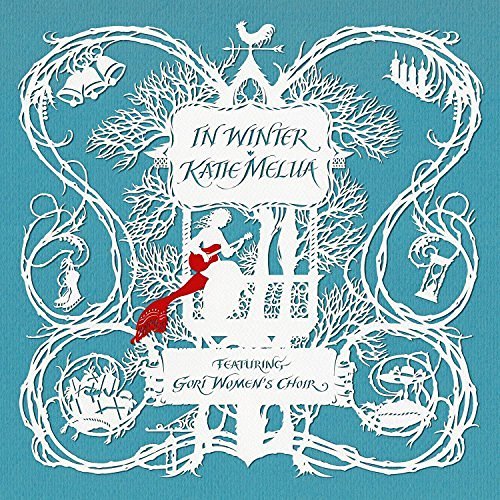
 View Artist