Song Meaning
The lyrics paint a picture of a relationship resigned to its own inevitable demise, yet choosing to embrace the decay. The narrator proposes a shared descent, suggesting they wait until it's "too late" to acknowledge the futility, finding comfort in the shared experience of failure. This isn't about fighting for survival; it's about finding a peculiar intimacy in mutual destruction. The idea of handling "strokes and heart attacks" feels less like a plan for recovery and more like a morbid acceptance of what's coming.
The central tension lies in the juxtaposition of destruction and affection. The narrator calls the other person their "favourite way to waste my life," a phrase that’s both damning and deeply devoted. This paradox fuels the desire to "rot with me," turning a potentially bleak outlook into a shared, albeit dark, sanctuary. The lyrics suggest a comfort found not in hope, but in the certainty of shared decline, a mutual "reverie" where external judgment ("No one cares if we were wrong or right") fades away.
The imagery of natural and man-made decay is striking, with "trees sway until they break" and "buildings too." This mirrors the narrator's own desire for a destructive intimacy, a willingness to be "pulled apart" and "put together again." The repeated "good girl" feels like a soothing, almost patronizing, command to surrender, to let go of the struggle against the inevitable breakdown. It’s a call to embrace the chaos, to find solace in the shared experience of falling apart.
Ultimately, the effectiveness of these lyrics stems from their unflinching embrace of a dark, almost nihilistic, romanticism. The narrator doesn't offer a path to salvation but a companion for the end. The raw, almost violent, language of "pull me apart" and "rip and tear limb from limb" is softened by the plea to "stay with me until the end," creating a powerful, unsettling vision of love found in mutual disintegration.
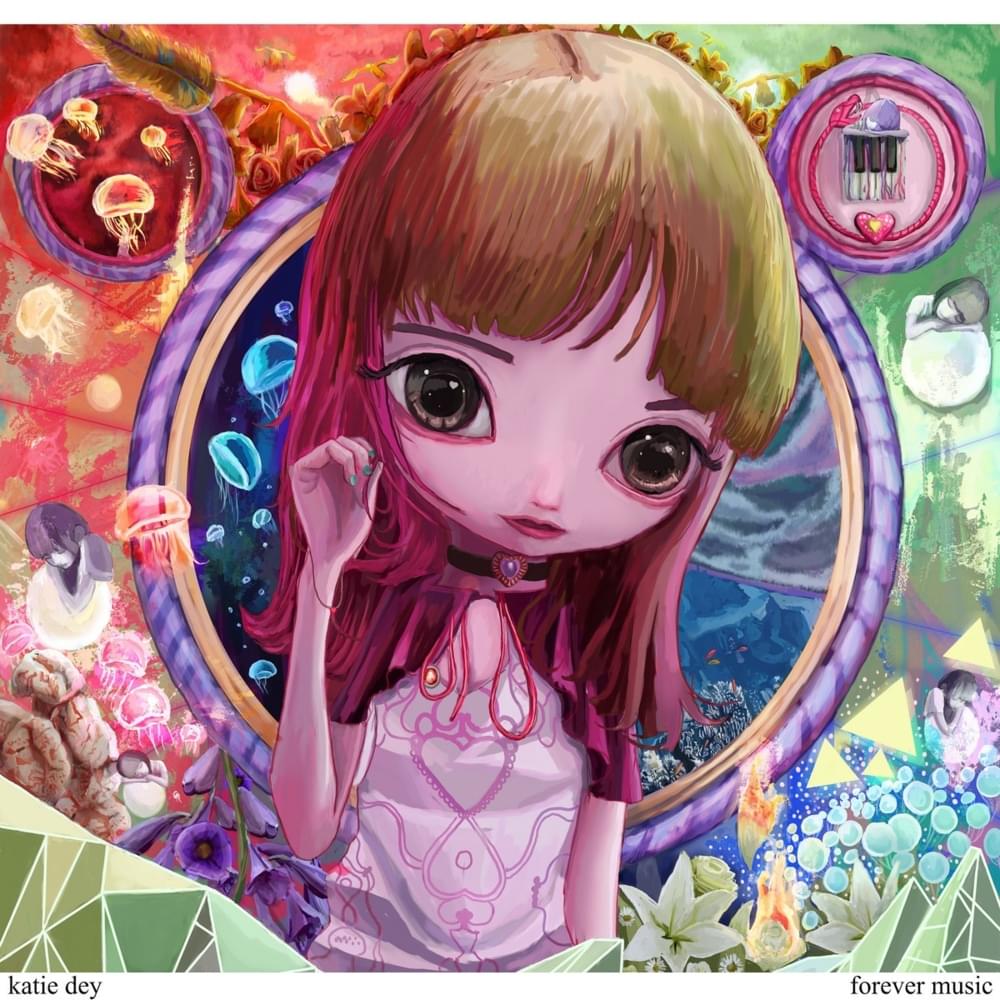
 View Artist