Song Meaning
Kathy Mattea's "Come From the Heart" isn't just a country song; it's a distilled philosophy of living, passed down like an heirloom. The track's central thesis revolves around authenticity as the key to fulfillment, both in artistry and relationships. The opening lines immediately establish intergenerational wisdom, with the singer's father imparting a seemingly paradoxical lesson: to hold on, you must first let go. This sets the stage for the chorus, which acts as a mantra for uninhibited self-expression. Mattea urges us to "sing like you don't need the money, love like you'll never get hurt, and dance like nobody's watchin'." These aren't mere platitudes; they're directives to shed the anxieties and insecurities that often stifle genuine connection and creative freedom. The "song meaning" is embedded in this raw vulnerability.
The second verse introduces a crucial counterpoint: the danger of trying too hard. This acknowledgment adds a layer of complexity to the song's message. It's not enough to simply embrace vulnerability; one must also avoid the trap of performative authenticity. The challenge lies in finding a balance between genuine self-expression and the awareness that our efforts can sometimes be counterproductive. Essentially, 'trying too hard' negates the initial instruction of coming from the heart, because the ego and outward perception have become involved, thus corrupting the original purity of intention.
Ultimately, "Come From the Heart" suggests that the most rewarding experiences in life arise from a place of unselfconscious sincerity. It's a reminder that true connection and artistic expression require a willingness to be vulnerable, to let go of expectations, and to trust that the most authentic version of ourselves is enough. The repetition of the chorus reinforces this idea, driving home the point that only when we act from the heart can we truly thrive. The song's brilliance lies in its simplicity, distilling complex emotional truths into an accessible and deeply resonant message.
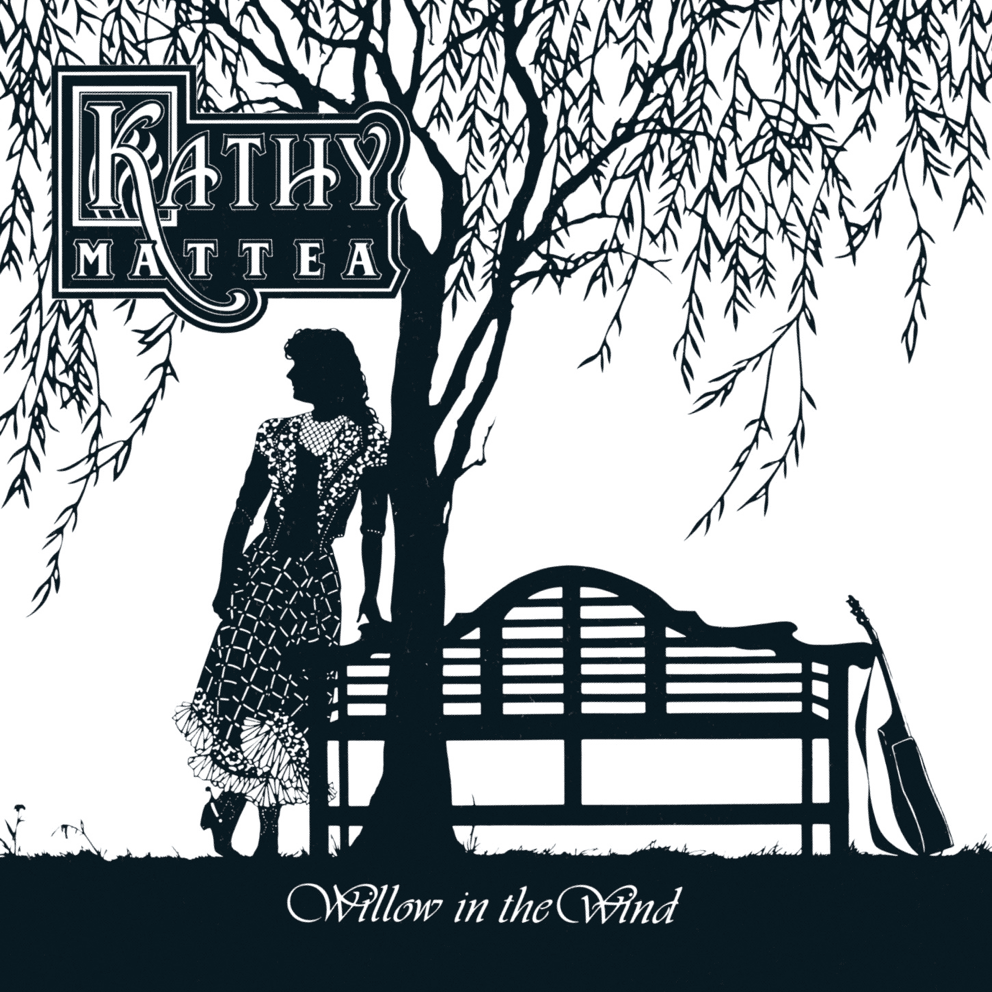
 View Artist