Song Meaning
The narrator is caught in a tangled web of relationships, desperately trying to avoid accountability. They repeatedly ask for confirmation that they were right and the other person was wrong, a plea that feels less about vindication and more about shifting blame. The core tension lies in the narrator's refusal to accept responsibility for their actions, preferring a scenario where no single person is at fault.
The lyrics paint a picture of emotional infidelity and confusion. The narrator admits to sleeping with someone new, explicitly stating they love her because she resembles the original object of affection. This suggests a pattern of seeking comfort or validation in others who mirror a past connection, blurring the lines between genuine feeling and a desperate attempt to recapture something lost. The repeated phrase "no one to blame" becomes a mantra for this avoidance.
The most striking element is the narrator's self-awareness, or perhaps their cynical resignation, expressed in "You'll be tired of me when he gets tired of you." This line implies a cyclical nature to these relationships, where everyone eventually disappoints each other. The narrator seems to understand this pattern but chooses to "bring it down" to their own level, suggesting a deliberate lowering of expectations or a descent into a more comfortable, albeit less honest, emotional space where understanding is guaranteed because it's based on shared flaws.
Ultimately, the effectiveness of these lyrics stems from their raw portrayal of emotional cowardice and the complex, messy reality of human connection. The narrator's insistence on "no one to blame" isn't a triumphant declaration of freedom, but a weary admission of being trapped in a cycle of their own making. The repeated descent "down to my level" offers a grim, almost resigned, understanding, suggesting that true connection might only be found in shared imperfection.
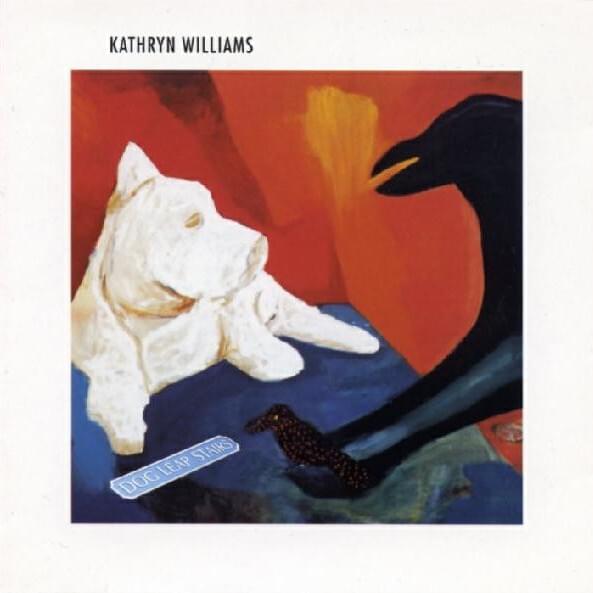
 View Artist