Song Meaning
The lyrics paint a picture of someone yearning for change, stuck in a state of suspended animation. There's a palpable desire for spring to arrive, a wish for the 'fire' of warmth and connection to return after it faded. The narrator recalls a past intimacy, where the light of dawn on their floor mirrored the fading embers of a shared moment, suggesting a longing for that intensity to be rekindled. This initial verse sets up a feeling of waiting and a subtle melancholy beneath the surface.
The core tension lies in the narrator's paradoxical embrace of isolation. The chorus, with its litany of 'I got birds on the feeder,' 'dogs and they're sleeping,' and 'total freedom,' seems to celebrate independence. Yet, the repeated phrase 'no one to need me' carries a heavy weight, hinting that this freedom is born from a lack of connection, a state of being unneeded that feels more like emptiness than liberation. It's a quiet plea disguised as contentment.
The most striking craft element is the personification of seasons and emotions. The narrator directly addresses spring and snow, pleading for their arrival or departure, as if they hold agency over the narrator's internal state. This is most potent in Verse 3, where 'feelings' are asked to 'go away' for 'just one season.' The fear that follows a moment of intense connection ('It felt so good that I got scared') reveals that the desire for freedom isn't about independence, but a defense mechanism against the vulnerability that comes with being needed or needing someone else.
Ultimately, these lyrics resonate because they capture the quiet desperation of wanting connection while simultaneously fearing its intensity. The seemingly peaceful imagery of birds and sleeping dogs belies a deep-seated anxiety about emotional intimacy. The narrator's plea for external forces to change their internal landscape highlights a struggle to find agency within themselves, making the 'total freedom' feel like a lonely, self-imposed exile.
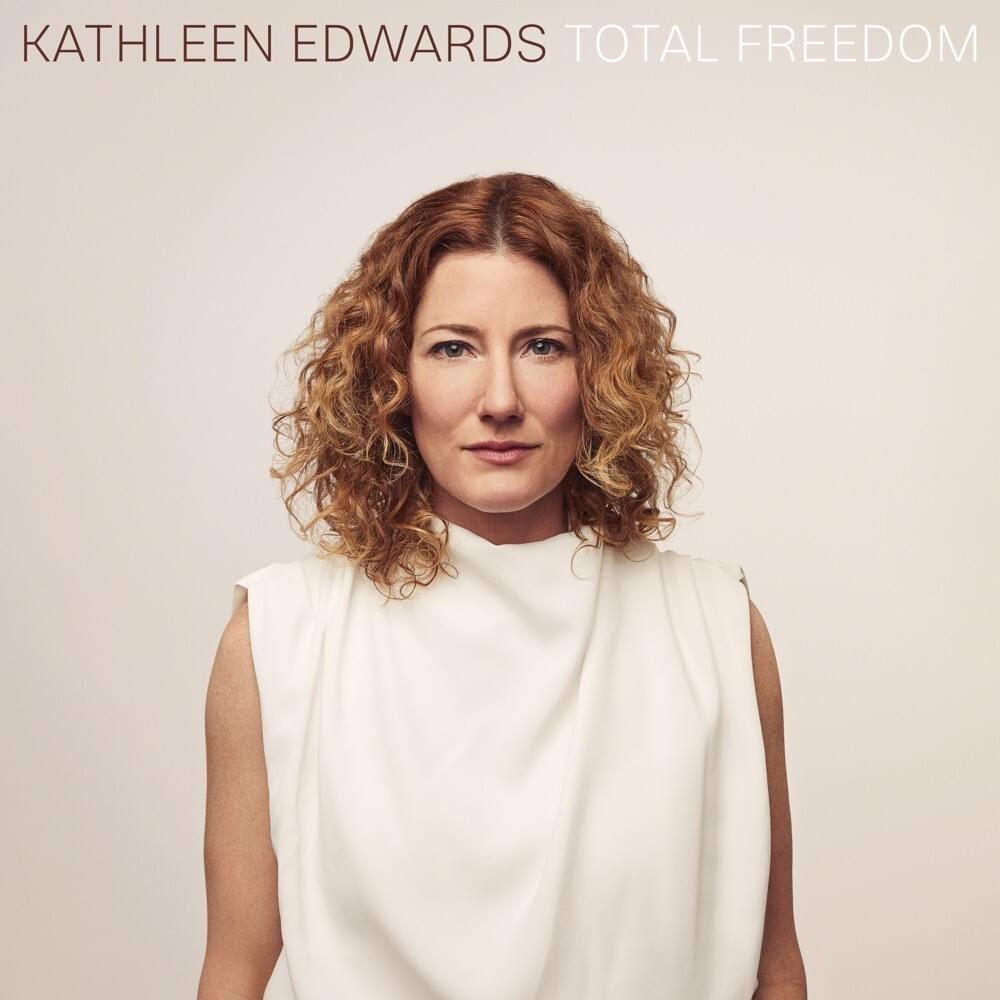
 View Artist