Song Meaning
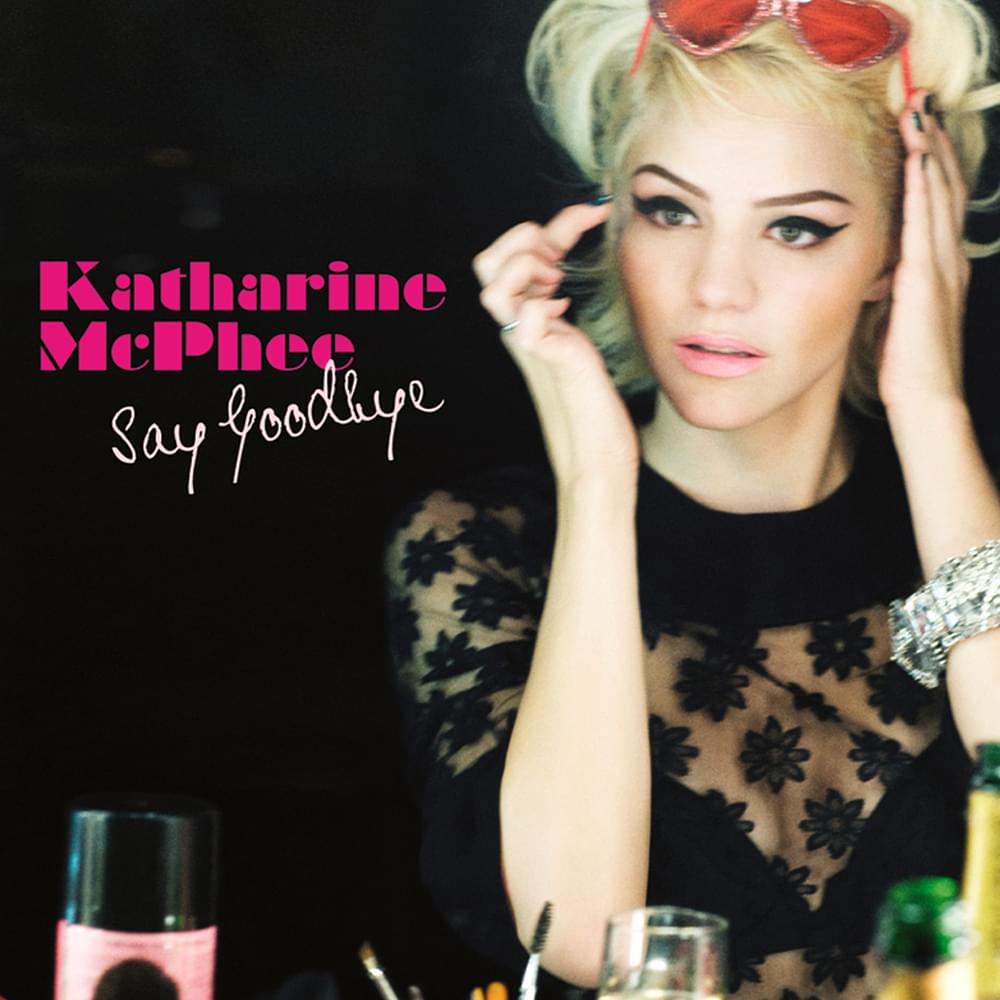
Katharine McPhee's "Say Goodbye" isn't just a breakup song; it's a study in self-preservation amid emotional devastation. The lyrics paint a portrait of someone bracing themselves for the inevitable, constructing a fragile defense against the pain of parting. The opening lines, "If I seem distant, baby, I am," set the stage for a narrative of emotional withdrawal, a preemptive strike against the hurt that's surely coming. McPhee isn't wallowing; she's strategizing. The recurring line, "That way it won't hurt so much when we say goodbye," becomes a mantra, a desperate attempt to numb the senses before the final blow. It's a fascinating, if heartbreaking, approach to heartbreak.
The song meaning deepens as McPhee explores the theatricality of her own emotions. She feels like an "actress up on the stage," acutely aware of the performance she's putting on for herself and her soon-to-be-ex. The "porch light" as a "spotlight" is a particularly potent image, suggesting that even in the most intimate moments, there's a performative aspect to relationships, especially as they crumble. This performative aspect isn't about deception, necessarily, but about control – a desperate attempt to script the ending, to manage the narrative of her own heartbreak. The raw vulnerability peaks in the chorus with the plaintive questions: "Did you ever love me? Does it even matter? Did you even notice the whole world shatter?" This is the heart of the matter, the core wound of the song: the fear that the love was never reciprocated, or worse, that the other person was oblivious to the depth of the connection.
The closing image of walking a "high wire alone tonight" is both stark and powerful. It encapsulates the precariousness of the situation, the feeling of being utterly exposed and unsupported. The "circus" metaphor – "My heart feels like a circus / It's too much to take in" – further emphasizes the chaotic, overwhelming nature of the emotions at play. "Say Goodbye" isn't simply a lament; it's an exploration of the psychological defenses we build to protect ourselves from heartbreak. It's about the strategies we employ to numb the pain, to control the narrative, and to ultimately survive the experience of saying goodbye, even when a part of us doesn't want to let go.
 View Artist