Song Meaning
{"song_id": 12683804, "meaning": "Katharine McPhee's \"Help Me\" isn't just another love song; it's a raw, almost desperate plea born from the precarious edge of vulnerability. The track opens with a confession, a whispered acknowledgment of a fall into love that feels both inevitable and terrifying. It's the kind of love that ignites a conflict between desire and self-preservation, a theme that courses through the song's veins. The lyrics paint a portrait of a lover who embodies a dangerous allure – a \"rambler and a gambler,\" a charmer whose affections seem as transient as the wind.
The central tension in \"Help Me,\" and arguably the song's core meaning, lies in the push and pull between the intoxicating nature of new love and the deeply ingrained human need for freedom. McPhee captures this dichotomy with the repeated line: \"We love our lovin' / But not like we love our freedom.\" This isn't a simple case of commitment-phobia; it's a more profound exploration of how love can threaten our sense of self, our independence, and the carefully constructed boundaries we erect to protect ourselves from heartbreak. The speaker is aware of the potential for pain, haunted by \"hot hot blazes\" that turned to \"smoke and ash,\" yet she's drawn in nonetheless.
The second verse introduces a nostalgic element, a series of rhetorical questions – \"Didn't it feel good?\" – that hint at shared moments of intimacy and connection. But even within these recollections, there's an undercurrent of unease, a sense that the connection might be fleeting or built on shaky ground. The chorus amplifies the plea for help, moving from a general fear of falling to a direct address to the object of affection: \"Are you gonna let me go there by myself? / That's such a lonely thing to do.\" This isn't just a song about falling in love; it's a song about the agonizing uncertainty of whether that love will be reciprocated, and the terrifying prospect of facing that vulnerability alone. Ultimately, \"Help Me\" succeeds because it taps into the universal fear of losing oneself in another person, a fear that resonates long after the final notes fade."}
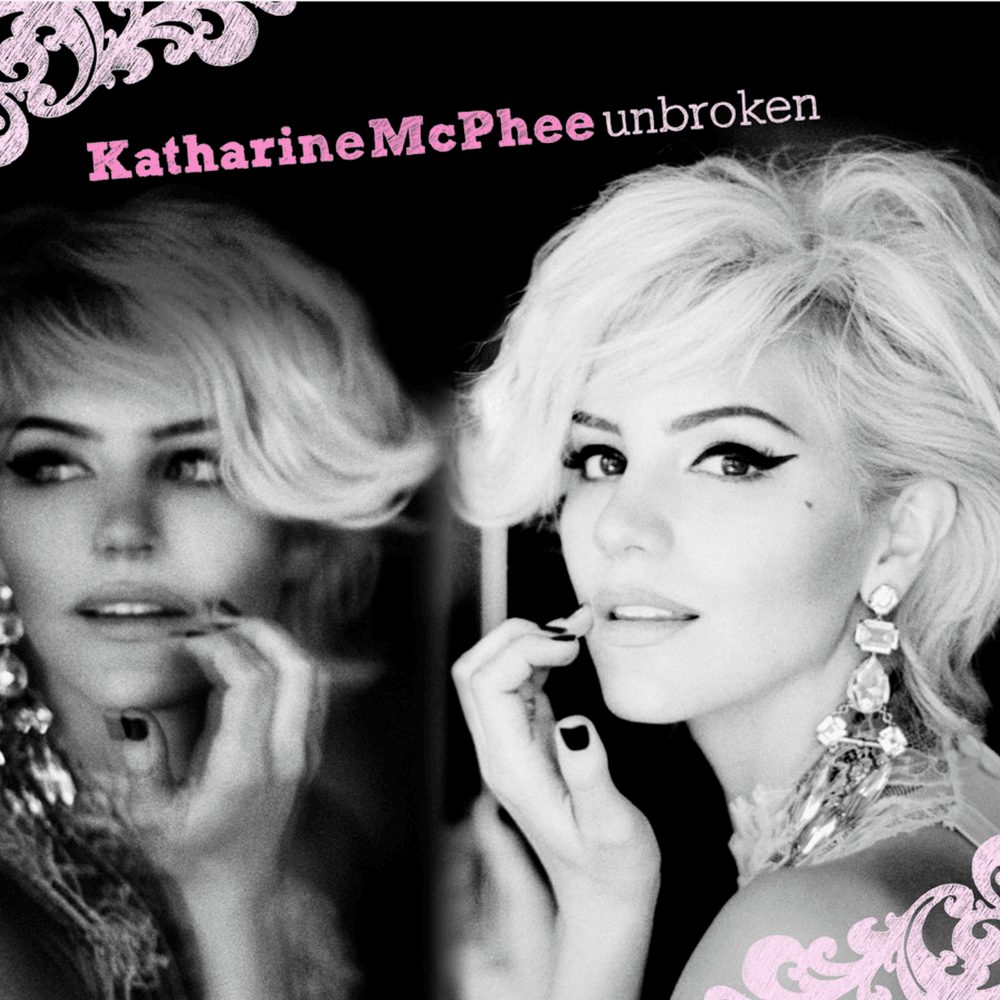
 View Artist