Song Meaning
Kate Ryan's "Alive" (French Version) isn't just a declaration; it's a reclamation. The core phrase, "Je suis libre quoiqu'il arrive, I'm so alive," acts as both a mantra and a defiant shout. While the surface suggests a song about passion and devotion, the undercurrent reveals a woman seizing control of her own narrative within a relationship that seems, on the surface, to be unequal. The repetition emphasizes this seizing of control. The lyrics point to a dynamic where she is both submissive ("Je suis a tes genoux je viens quand tu m'appelles") and dominant ("J'ai mis une corde a ton cou"), suggesting a complex interplay of power.
The tension between vulnerability and strength is palpable. The phrase "Si je te dis que l'amour rend folle tout est permis / Tu ne dois rien a personne" hints at a willingness to embrace a certain madness, a letting go of societal expectations in the name of desire. It's not simply about being "alive" in a generic sense, but about being alive on her own terms, fueled by passion and a refusal to be constrained. The song’s energy comes from this assertion of self.
Ultimately, "Alive" (French Version) is a study in contrasts. It's a celebration of freedom found not in the absence of constraints, but within the push and pull of a deeply felt connection. The song meaning resides in the paradox: she finds liberation through submission, power through vulnerability, and life through a love that borders on madness. It's a reminder that even in the most intimate of relationships, the individual can carve out a space for autonomy and self-discovery. The music amplifies this with a driving beat, a sonic embodiment of the life force she’s claiming.
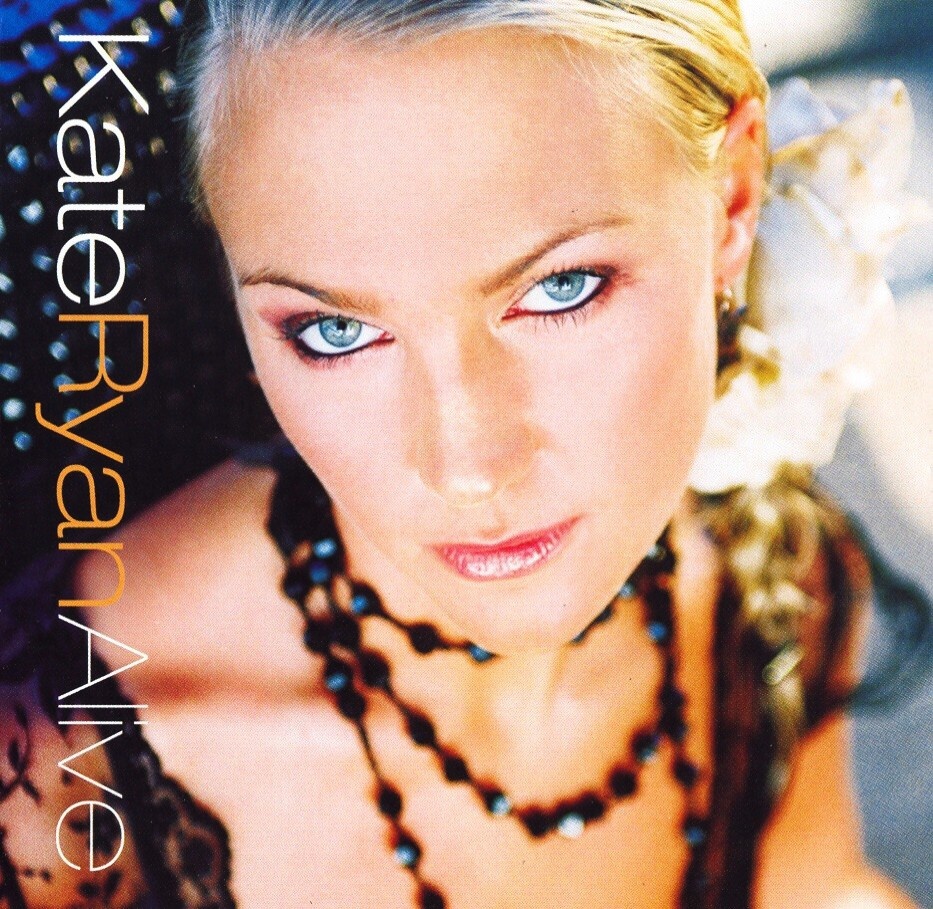
 View Artist