Song Meaning
This song paints a vivid picture of adoration, framing a central figure as the absolute ruler of the narrator's personal universe. The opening lines immediately establish this elevated status, with the narrator eager to convey the depth of their feelings. The imagery of stars in the sky is employed not just as a grand cosmic backdrop, but as a direct testament to this love, suggesting an immeasurable and celestial scale of affection. The repeated phrase "I wanna tell you / Please let me tell you" underscores a pressing need for the beloved to understand this profound sentiment.
The lyrics then shift to a communal celebration of the beloved's arrival. The narrator claims "Everyone's happy that you came along," with "They all are dancing / They all are singing." This suggests the beloved's presence brings joy not just to the narrator, but to an entire community, amplifying their significance. The line "Finally I get to finished this song / So I can tell you" reveals a creative struggle, where the act of completing the song becomes a necessary hurdle before the ultimate declaration of love can be made, highlighting the song itself as a vessel for this important message.
The most striking aspect of the craft here is the juxtaposition of grand, almost cosmic declarations with intimate, personal details and a surprisingly grounded, parental-like closing. The narrator praises the beloved's musical talent with "You play it softly / You play it loud," showcasing a dynamic range that mirrors the intensity of their own feelings. Yet, the final lines, "That great, Mom / That great, Mom / That great, Mom / Good Job, buddy," introduce an unexpected layer. This shift suggests the "king of the world" might be a child, and the narrator their parent, reframing the earlier grand pronouncements as the proud, loving affirmations of a parent to their offspring, making the "king of the world" title a tender, familial accolade.
This lyrical construction is effective because it builds an expectation of romantic or epic devotion, only to pivot towards a deeply personal, familial bond. The "stars in the sky" become less about romantic passion and more about the boundless pride a parent feels. The narrator's eagerness to communicate their love, coupled with the specific, almost instructional praise at the end, creates a powerful emotional resonance rooted in the unique, unconditional love of a parent for their child, making the grand title feel earned and deeply felt within the context of that relationship.
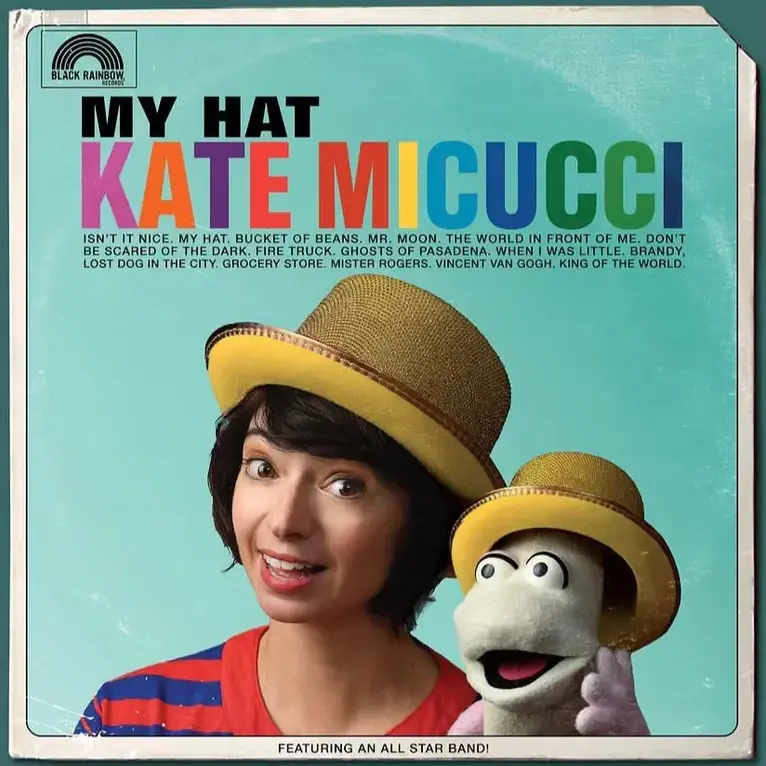
 View Artist