Song Meaning
Kate Davis’s "Loveless Friend" isn't a stadium-sized anthem of self-empowerment; it’s a quiet, devastating meditation on empathy's limits and the sometimes-toxic platitudes we offer to those struggling with loneliness. The song's power lies in its stark simplicity, both musically and lyrically. Davis doesn't over-complicate the sentiment; instead, she lays bare the inherent contradictions in trying to comfort someone when you yourself harbor doubts about the very thing you're promising them. The opening lines, "I sometimes think that love is love/There's no different type of love/But just different types of people," suggest a universalist view, an attempt to distill love down to its essence. Yet, this immediately crumbles under the weight of the subsequent confession.
The core of the song revolves around a central question: what do you say to a "loveless friend"? The act of telling them love is "just around the corner" becomes not an act of kindness, but a performance, a recitation of comforting words devoid of genuine belief. This speaks to a deeper discomfort we often feel in the face of another's pain. Rather than truly engaging with their experience, we resort to familiar, often hollow, reassurances. Davis highlights the chasm between intention and impact, revealing how our attempts to soothe can, in fact, amplify the other person's isolation.
"Loveless Friend" doesn’t offer easy answers or a resolution. It’s a snapshot of a moment of uncomfortable honesty, a glimpse into the ethical tightrope we walk when trying to support those we care about. The song meaning resides in its unflinching portrayal of the dissonance between what we say and what we truly believe, and the quiet desperation that underlies our well-intentioned lies. It's a song for anyone who has ever felt the inadequacy of their own empathy, the frustrating gap between wanting to help and actually doing so in a meaningful way.
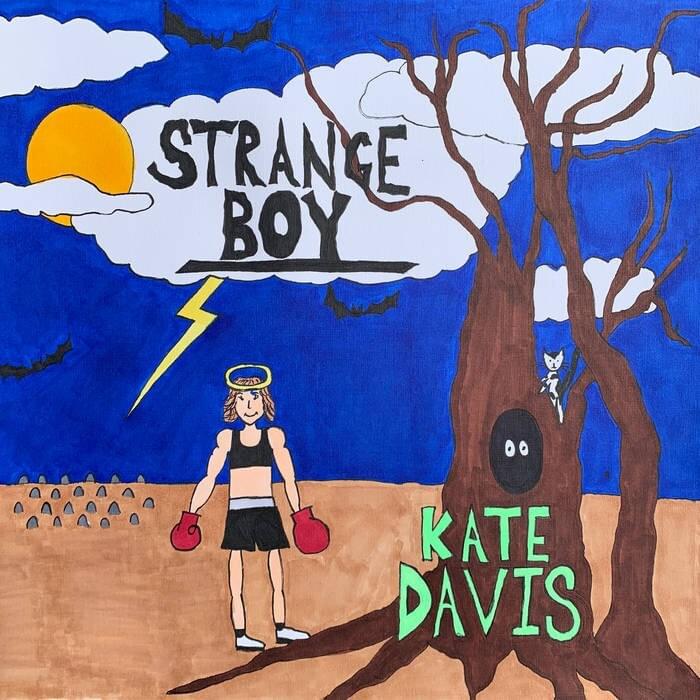
 View Artist