Song Meaning
Kate Davis's "dd" is a masterclass in sonic and lyrical ambiguity, a haunted house of a song where the ghosts of past relationships and personal failings swirl in the ether. The opening lines immediately establish a dynamic of longing and perhaps even obsession: "Do you wait for me like I'm waiting for you?" This isn't a simple question of reciprocated affection; it's a probing, almost accusatory challenge, tinged with the unsettling suggestion that the object of her desire has moved on to inflict their particular brand of "spooky" on someone new. The notion of being "spooky" hints at a relationship built on intensity and perhaps a shared darkness, a connection that transcends the mundane and ventures into the realm of the unsettling. It's a bond defined by its ability to unnerve, to provoke a visceral reaction.
The lyrics further reveal a mind wrestling with past transgressions, "mistakes that I've racked up and revoiced." This isn't just regret; it's a conscious effort to rewrite the narrative, to perhaps lessen the sting of her actions. The mention of the subject's "evil" mother adds another layer of complexity, suggesting a lingering resentment and a potential scapegoat for the relationship's demise. This line also points to the way in which family dynamics and inherited traumas can seep into our intimate connections, poisoning them from the inside out. The line, "Are you here to hear all of the songs that I am singing to satisfy you?" indicates a performance of sorts, a constant striving to meet the expectations of the absent other, even if that other is no longer present.
The song's core meaning seems to reside in the push and pull between connection and separation, the struggle to reconcile the desire for intimacy with the fear of vulnerability. Davis's assertion that "People never leave unless you ask them to" is a powerful statement about agency and control. It suggests that even in the face of abandonment, there is a degree of responsibility, a tacit invitation that precedes the departure. The closing line, "Always running from this sugar smile for you," encapsulates the central paradox of the song: a constant flight from something that is simultaneously alluring and threatening. The "sugar smile" represents a facade, a carefully constructed image that masks a deeper, more complex reality. Davis is running not from the person, but from the idealized version of them, the one that she both craves and fears.
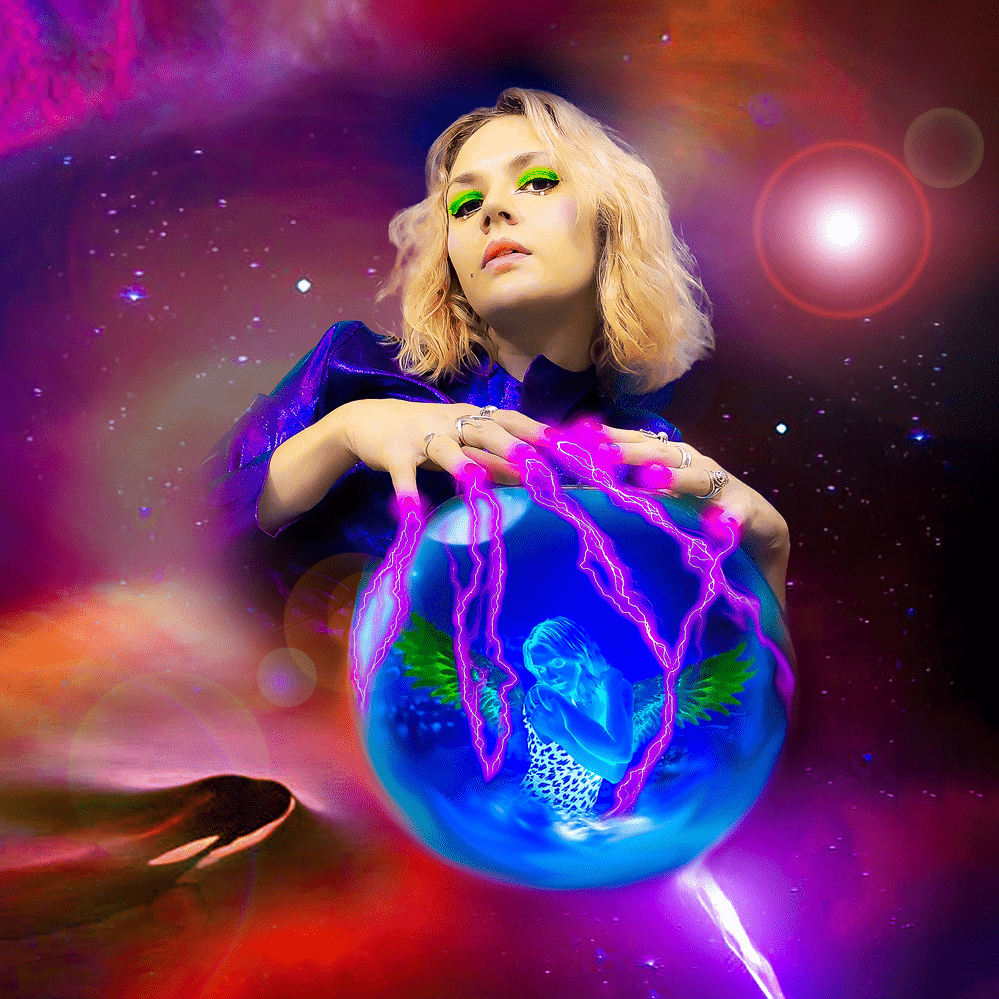
 View Artist