Song Meaning
This track paints a stark picture of a child navigating a fractured family dynamic, centered around their mother's work. The opening lines establish a routine: Mom's on the clock, and the kid is left to their own devices. This immediate sense of unsupervised independence, while perhaps practical, hints at a deeper emotional landscape where the child is largely self-reliant.
The core tension arises from the contrast between the mother's demanding job and the child's quiet existence. The recurring plea, "Don't throw the meter, mama," isn't just about the fare; it seems to represent a plea for her attention, a wish for her to stop working and be present. This is underscored by the description of Sunday mornings, where the child handles domestic chores, a responsibility that feels both mature and melancholic, especially given the father's absence.
The lyrics cleverly use the father's departure and remarriage to amplify the mother's solitary role. His "legacy" is a collection of transient objects – a broken-down car, loose change, a hat – suggesting a man who left behind little substance. This contrasts sharply with the mother's steady, albeit demanding, labor, which provides the child's current stability. The repetition of the "meter" phrase acts as a constant reminder of the economic pressures and the emotional distance they create.
Ultimately, the song's power lies in its understated portrayal of resilience and longing. The child's voice is mature beyond their years, observing the practicalities of their mother's work and the failures of their father's life. The repeated, almost desperate, call to the mother highlights a child's yearning for connection amidst the economic realities that keep them apart.
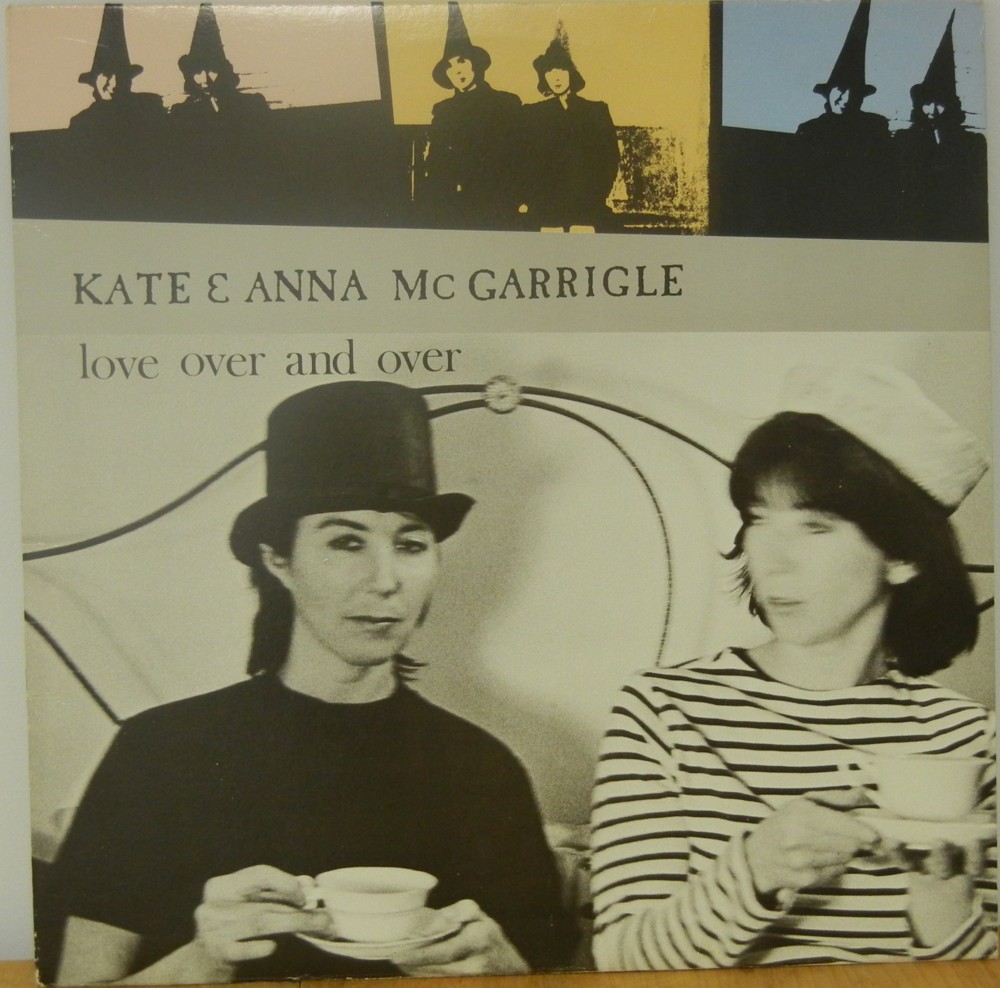
 View Artist