Song Meaning
The lyrics paint a picture of a relationship's painful, inevitable end, driven by a profound lack of mutual understanding and emotional presence. The narrator is making the difficult decision to leave, not out of a lack of effort, but because their partner consistently fails to see or acknowledge their suffering. The repeated phrase "hard enough" in the first verse underscores the narrator's commitment, directly contrasting with the finality of "I've had enough," signaling a breaking point reached after sustained effort. This isn't a sudden decision but the culmination of a long, unreciprocated struggle.
The core tension lies in the narrator's unacknowledged pain and the partner's obliviousness. "Love you don't see the pain in me / Plain enough" highlights a fundamental disconnect; the suffering is evident to the narrator but invisible to their partner. The poignant image of crying "for us" suggests a grief that extends beyond personal hurt, encompassing the shared future that is now lost. This sorrow is compounded by the partner's absence, as they are "never here to catch the tears," emphasizing the isolation within the relationship.
The craft of the lyrics is particularly effective in its stark simplicity and the strategic repetition of phrases that evolve in meaning. The initial "hard enough" speaks to effort, while the later "I've had enough" signifies depletion and resignation. The act of leaving a note "within your coat" and an "unlocked" gate is a quiet, almost passive-aggressive gesture, reflecting a person who has exhausted all direct confrontation and is now resorting to a final, understated act of departure. It’s a method that avoids further pain but also underscores the partner's likely continued unawareness.
Ultimately, these lyrics resonate because they capture the quiet devastation of realizing a relationship is beyond repair due to a partner's emotional absence. The narrator's methodical, almost resigned approach to ending things – taking their "share," being "fair," and leaving a note – speaks to a deep weariness. The repeated "so very tough" in verse three acknowledges the immense difficulty of this final step, making the narrator's resolve feel earned and deeply felt, even in its quietude.
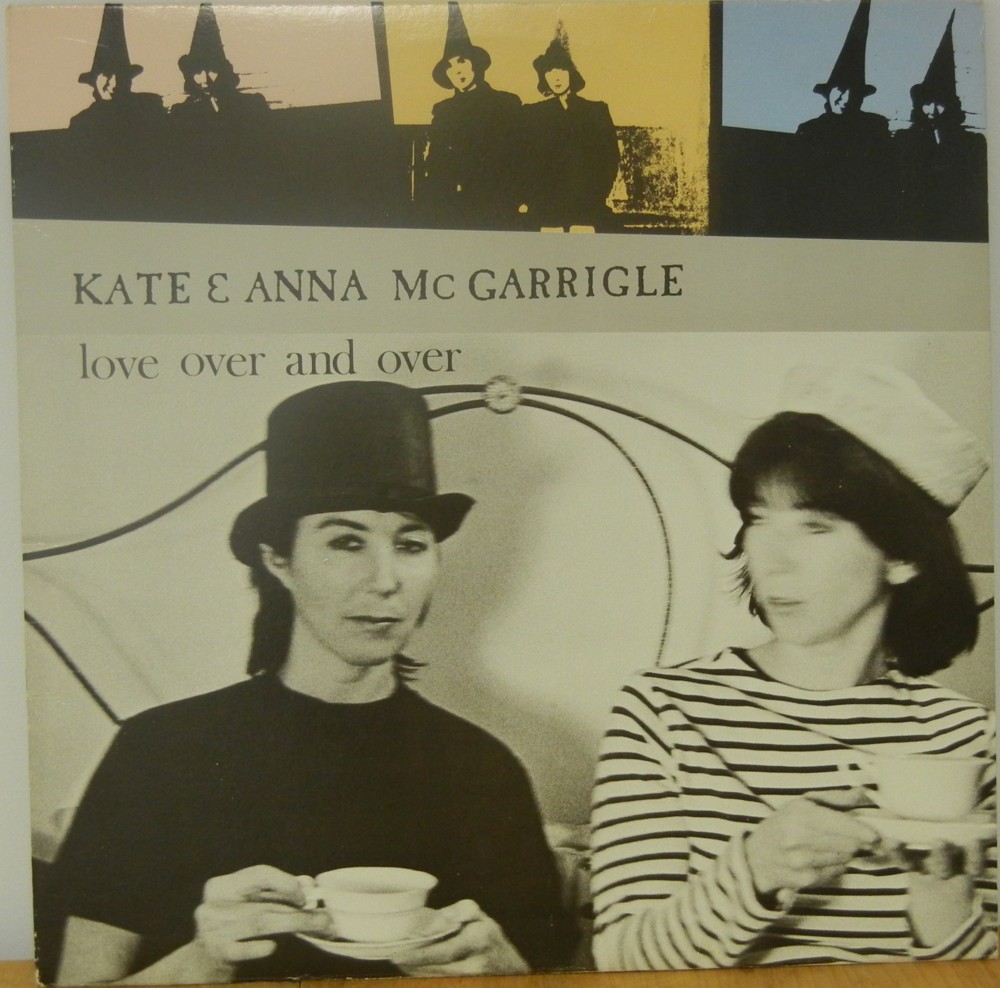
 View Artist