Song Meaning
The lyrics paint a picture of someone deeply unsettled, caught in a cycle of departure and return that offers no real solace. The opening lines, "Moving splinters through the mind / Hope smashed to smithereens," immediately establish a tone of mental anguish and shattered expectations. The narrator feels lost, "astray within the colours of your night," suggesting an immersion in a situation or relationship that is both alluring and disorienting. The idea of leaving "to come back again" hints at a recurring pattern, but the stark addition of "Better off" feels like a desperate, unconvincing assertion rather than a genuine state of being.
The core tension lies in the narrator's internal conflict and inability to escape a pervasive sense of unwellness. They "cower underneath the clouds" and feel unable to "break the spell," indicating a passive surrender to forces beyond their control. This is amplified by the unsettling image of the other person "moving without a sound," which implies a silent, perhaps unnoticed, departure or influence. The repeated phrase "I feel unwell" underscores a persistent, unshakeable malaise that defines the narrator's experience.
The chorus delivers a jarring juxtaposition: "Take my heart all the way / I can't wait to lose you." This paradox reveals a complex emotional state, perhaps a desire for catharsis through complete surrender and loss, even if it means heartbreak. The descent, "seven miles down / I hit the ground," signifies a dramatic fall, a point of impact after a period of being adrift. The final descriptors, "Earthbound, temporal, unfound," encapsulate the narrator's feeling of being trapped in a fleeting, disconnected existence, unable to find solid ground or a sense of self.
This lyrical construction is effective because it uses sharp, fragmented imagery to convey profound emotional distress. The contrast between the desire to give one's heart and the eagerness to lose it creates a compelling, almost masochistic, emotional arc. The cyclical nature, reinforced by the bridge's "vicious circle," suggests a narrative of inescapable patterns, making the narrator's plight feel both specific and deeply resonant in its depiction of feeling stuck and unwell.
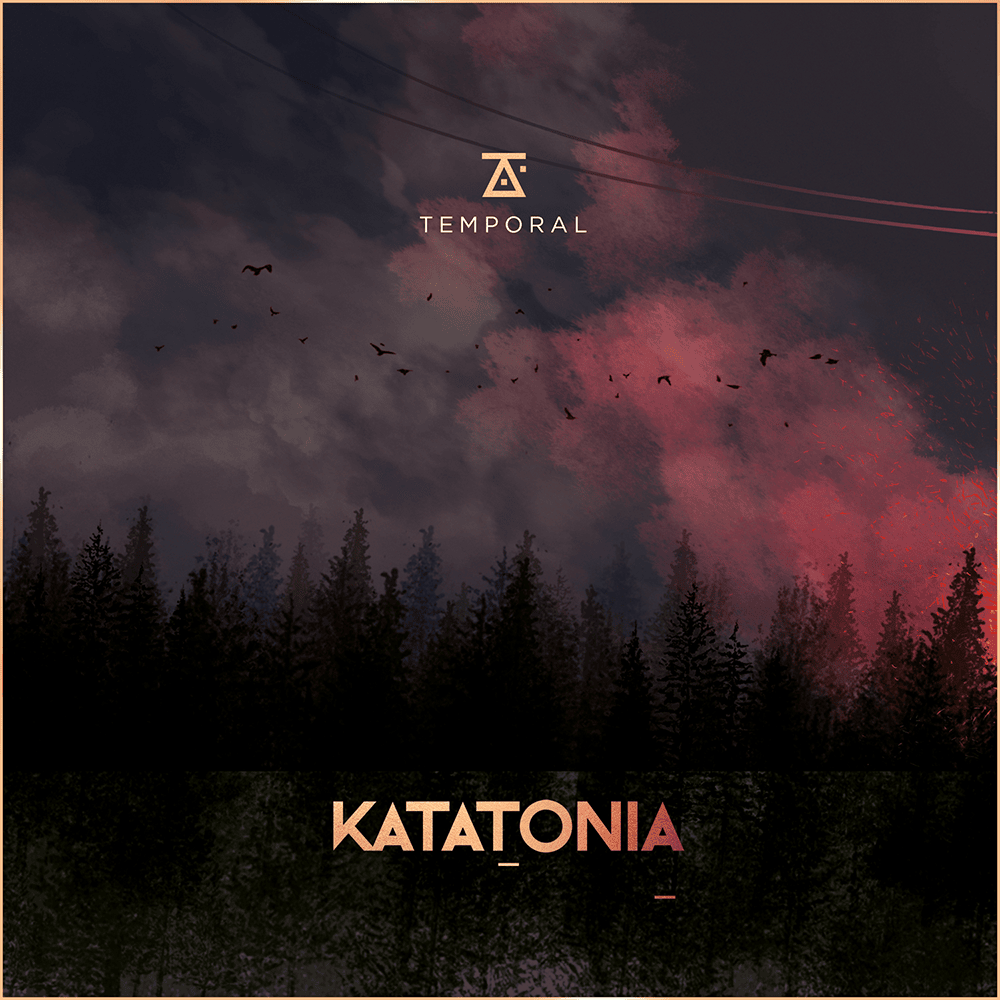
 View Artist