Song Meaning
The lyrics paint a stark picture of regret and irreversible loss, set against the backdrop of changing seasons. The narrator is left with the solitary arrival of spring, a time typically associated with renewal, but here it signifies a withdrawal from a past that felt insufficient. The opening lines immediately establish a tone of self-recrimination, suggesting a deep-seated feeling of not measuring up.
The central tension lies in the contrast between a past shared with someone, where "winter was gone," and the present isolation. This past relationship seems to have been a period of warmth and perhaps perceived completeness, now irrevocably lost. The phrase "Blood has left me even before you" is particularly striking, hinting at a profound, perhaps existential, depletion that predates even the relationship's end, suggesting a core emptiness.
The most compelling craft element is the sharp, almost clinical imagery used to describe the shift in perception. "Things once blurred are twice sharpened" is a powerful paradox that captures how clarity, when it arrives too late, can be agonizing. The idea of memories playing "on rewind" further emphasizes a passive, inescapable reliving of past moments, unable to alter their outcome. This isn't a gentle recollection; it's a forced, painful re-examination.
Ultimately, the effectiveness of these lyrics stems from their unflinching portrayal of the finality of certain experiences. The repeated assertion that "Can never return a second time" hammers home the absolute nature of what has been lost. The narrator is left not just with the memory of what could have been, but with the acute, painful awareness of its impossibility, making the arrival of spring a bleak reminder rather than a hopeful new beginning.
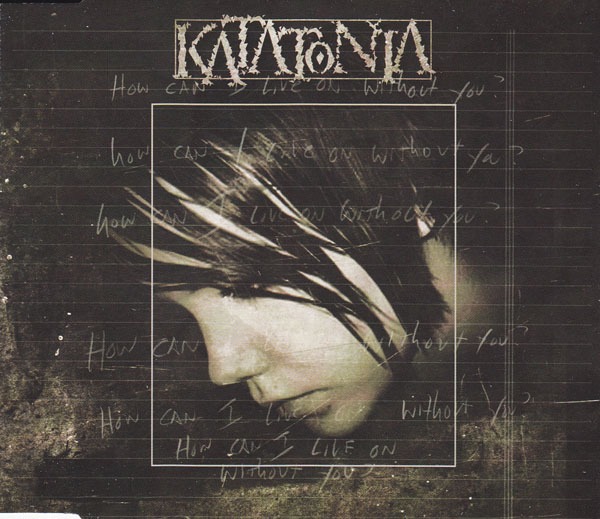
 View Artist