Song Meaning
The lyrics paint a stark picture of a burdensome inheritance, a weight that could be shed by surrendering free will. This isn't about material wealth, but a more profound, perhaps spiritual or existential, burden. The narrator feels trapped by this legacy, describing their situation as "our graves / Above the timberline," suggesting a place of isolation and exposure, far removed from the ordinary. The pressure isn't just external; it seems to stem from the very nature of what has been passed down.
The central tension lies in the conflict between the desire for release and the inherent value of free will, which the narrator acknowledges was "given." There's a sense of being forged in a difficult crucible, where "our values burn" in "the unforgiven void." This suggests a harsh upbringing or a set of inherited beliefs that are both destructive and formative, leading to a feeling of depletion, described as "our thinning minds."
The most striking imagery is the "resting leech," a potent metaphor for something parasitic that has attached itself and is draining vitality. This leech, coupled with the idea of "abstinence" leading to "nothing," highlights a profound sense of loss and emptiness. The narrator seems to be actively choosing a form of detachment, perhaps as a way to cope with the overwhelming inheritance, but it leads only to further void.
Ultimately, the lyrics convey a desperate act of passing on this difficult legacy. The narrator urges, "Let them inherit this fire now," a plea to transfer the burden before it's completely forgotten. It's a poignant, almost defiant, act of ensuring their existence, however painful, is acknowledged by future generations, lest they "forget that we were / Ever here."
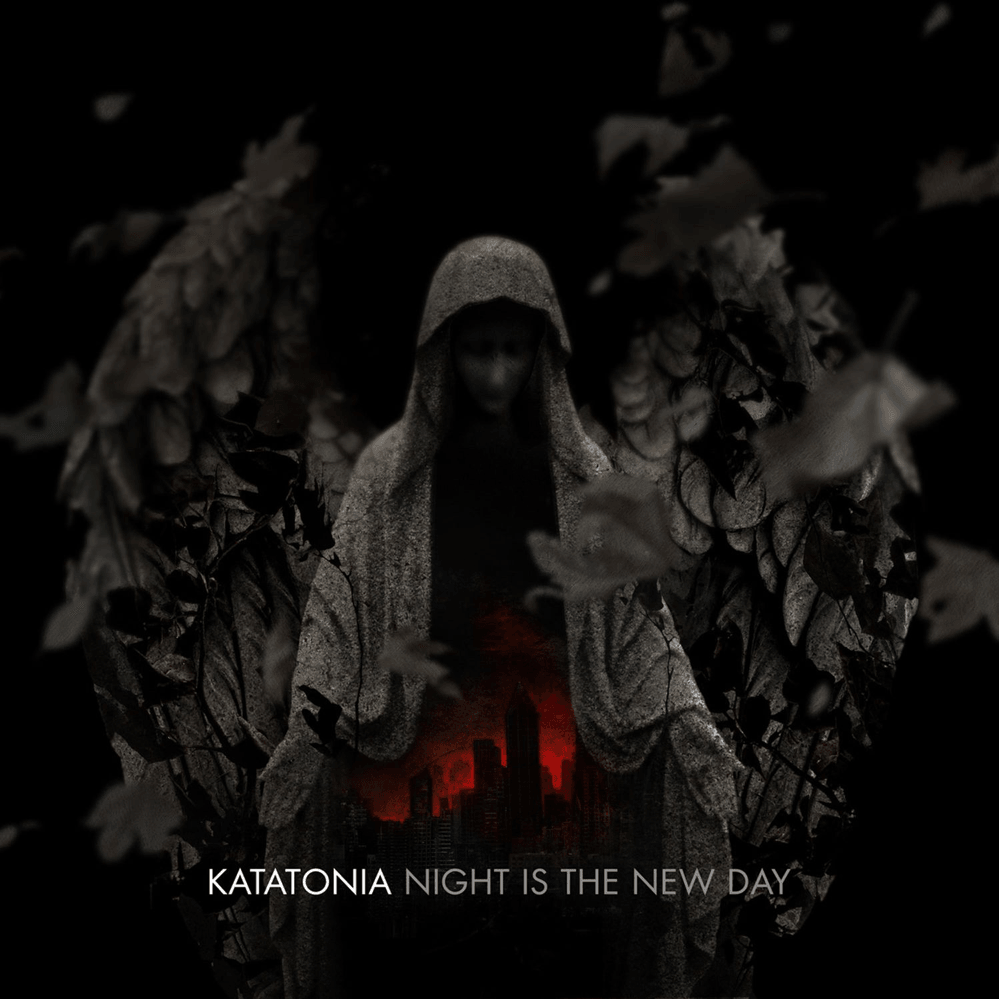
 View Artist