Song Meaning
The lyrics paint a stark picture of disillusionment, starting with a sense of past excess and a subsequent spiritual or emotional barrenness. The narrator recalls days of having "too much of the things we found," suggesting a period of indulgence that ultimately led to a loss of drive, symbolized by "resistance died down" and falling on "frozen soil." This sets a tone of decay and stagnation, a feeling that the fertile ground for growth or change has been lost.
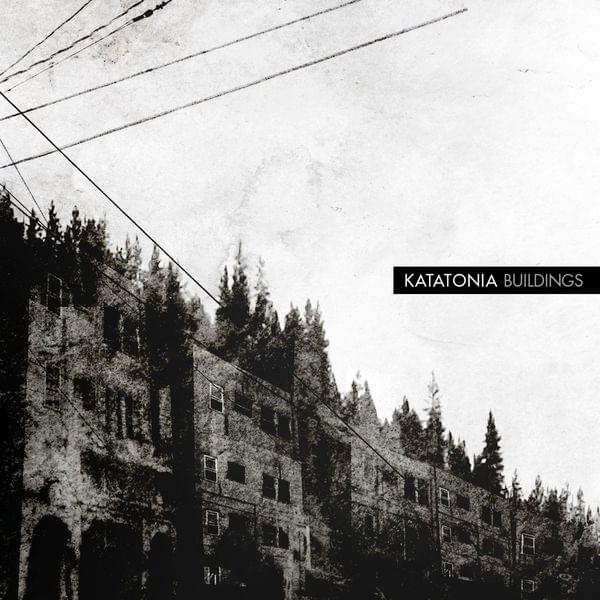
The central tension emerges in the contrast between external ambition and internal suppression. The "buildings rise" on a "concrete sky," representing grand, imposing structures of progress or aspiration. Yet, the narrator insists on keeping "our lights in shadow still," indicating a deliberate choice to remain unseen or unfulfilled. This creates a powerful image of ambition being built, but the spirit within being deliberately dimmed, a "muted will" housed in "glass shrines."
The most striking craft element is the juxtaposition of vast, impersonal structures with intimate, personal dimming. The "concrete sky" is a powerful, almost oppressive image, suggesting a manufactured or suffocating environment. Within this, the "wind's eye where our reflection dies" is particularly poignant, implying that even in moments of potential clarity or self-awareness, identity and individuality are lost. The "glass shrines" further emphasize a sense of fragile, hollowed-out reverence for something that lacks genuine life or purpose.
These lyrics resonate because they capture a specific kind of modern malaise: the feeling of being surrounded by impressive achievements and opportunities, yet personally experiencing a profound sense of internal diminishment. The writing effectively uses grand, almost apocalyptic imagery – "concrete sky," "wind's eye" – to frame a deeply personal and quiet act of self-effacement, making the internal struggle feel monumental.
 View Artist