Song Meaning
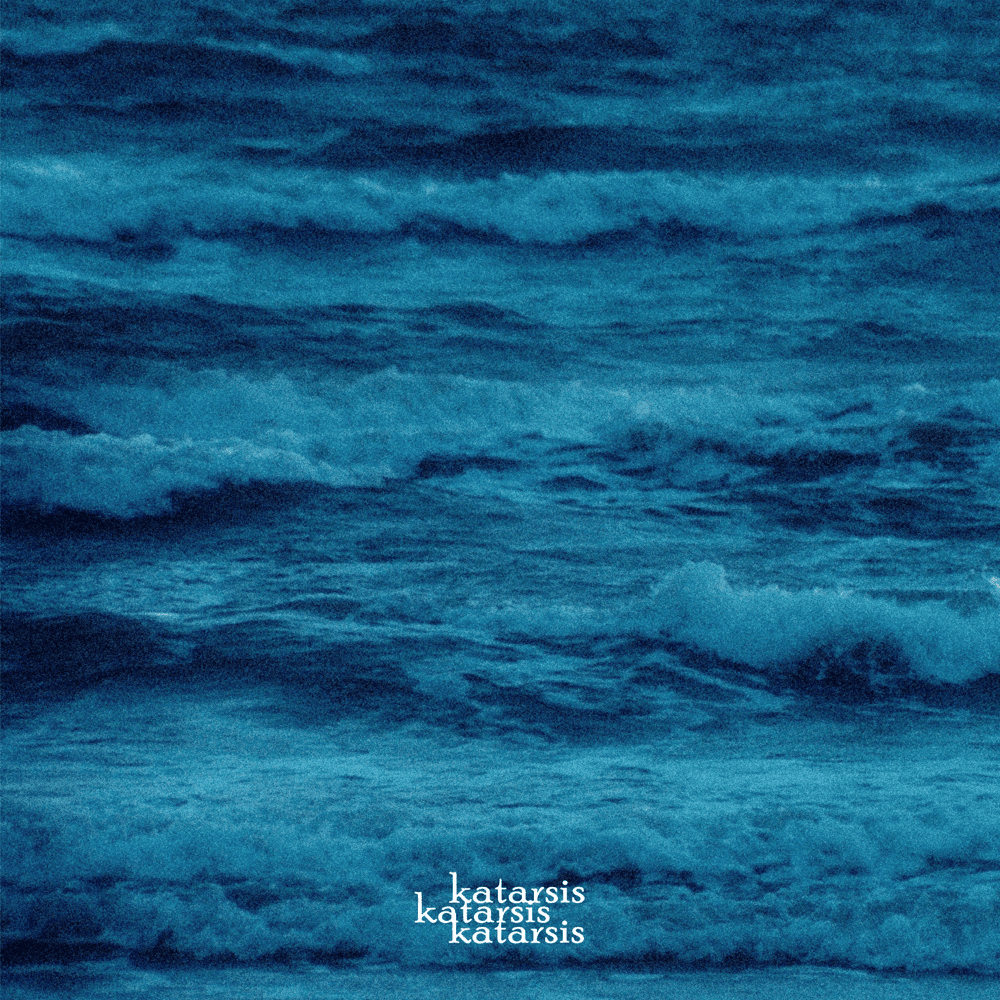
The lyrics open with a stark command, "Nutilk" ("Be quiet"), immediately setting a tone of impending disruption. A storm is arriving, and the narrator anticipates being consumed by it, "Leisiu naikint mane jos gūsiu" ("I will let it destroy me in its embrace"). This suggests a surrender to an overwhelming force, a deliberate yielding to destruction that feels both inevitable and chosen. The wind penetrates the narrator's chest, hinting at a deep, internal impact, with the sea left behind, and the narrator with it.
The central tension arises from the narrator's profound dependence on "jūra" ("the sea"). The phrase "Kas man be jūros" ("What am I without the sea?") is a direct question that underscores this dependency, implying that the sea is the sole source of their identity or purpose. The repetition of "Dėl jos esu aš čia" ("Because of it, I am here") hammers this point home, suggesting that their very existence is tied to this external element, whatever it may represent.
The most striking aspect of the craft is the overwhelming repetition. The phrase "Būsiu kartu su ja" ("I will be with it/her") is repeated relentlessly, transforming from a statement of intent to an almost incantatory mantra. This repetition builds a sense of fixation, perhaps even obsession, with the sea. It blurs the line between the storm's destructive force and the sea itself, suggesting a desire to merge with this powerful, elemental presence, even if it means annihilation.
This lyrical structure creates a powerful emotional effect by mirroring the overwhelming nature of the storm and the narrator's all-consuming connection to the sea. The stark imagery of destruction and the hypnotic repetition combine to evoke a feeling of being swept away, a surrender to a force that defines one's entire being. The lyrics don't offer comfort but instead present a raw, almost primal declaration of existence defined by an external, elemental power.
 View Artist