Song Meaning
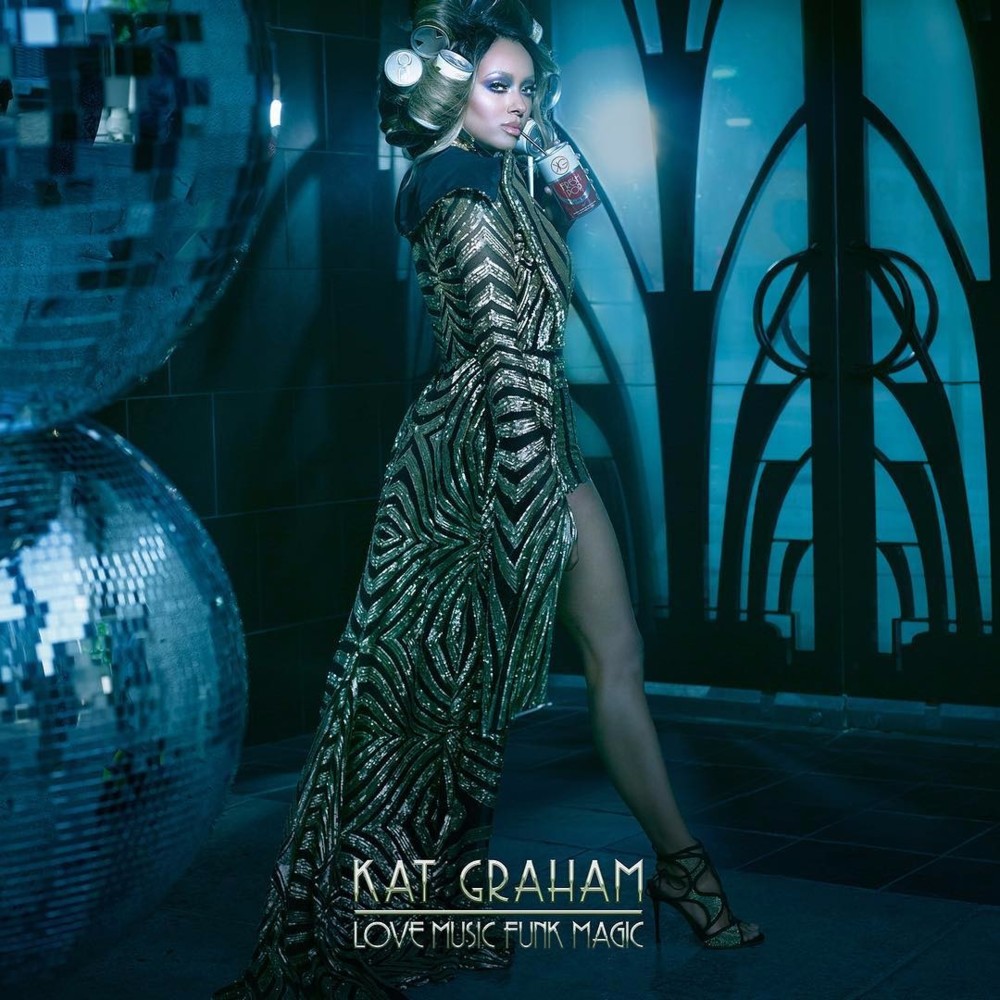
This brief interlude cuts straight to the bone of performance and persona. It’s a stark, almost weary admission that the elaborate facade – the wig, in this case – is precisely what allows for a kind of freedom, a detachment from the effort itself. The dominant tone is one of exhausted pragmatism, a behind-the-scenes reveal of the labor involved in appearing effortless.
The central tension lies in the paradox presented: the "lot of werk" required to achieve a state of "none." The wig isn't just an accessory; it's the mechanism by which the performer can shed the burden of their own identity or the visible strain of their craft. It’s a tool for disassociation, enabling a performance that appears unburdened precisely because of the hidden, immense effort.
The most striking element is the blunt, almost conversational delivery of this complex idea. The phrase "a lot of werk" is delivered with a weight that suggests accumulated fatigue, while the follow-up, "The wig is just so I can do none," flips the script on what a costume signifies. It’s not about enhancement, but about erasure of the effort, a clever linguistic sleight of hand that highlights the artifice.
This interlude lands with such impact because it demystifies the spectacle. It’s a moment of raw honesty that acknowledges the unseen labor behind the glamour, making the eventual performance, whatever form it takes, feel earned and understood on a deeper level. The listener is given a glimpse into the engine room, appreciating the mechanics of illusion.
 View Artist