Song Meaning
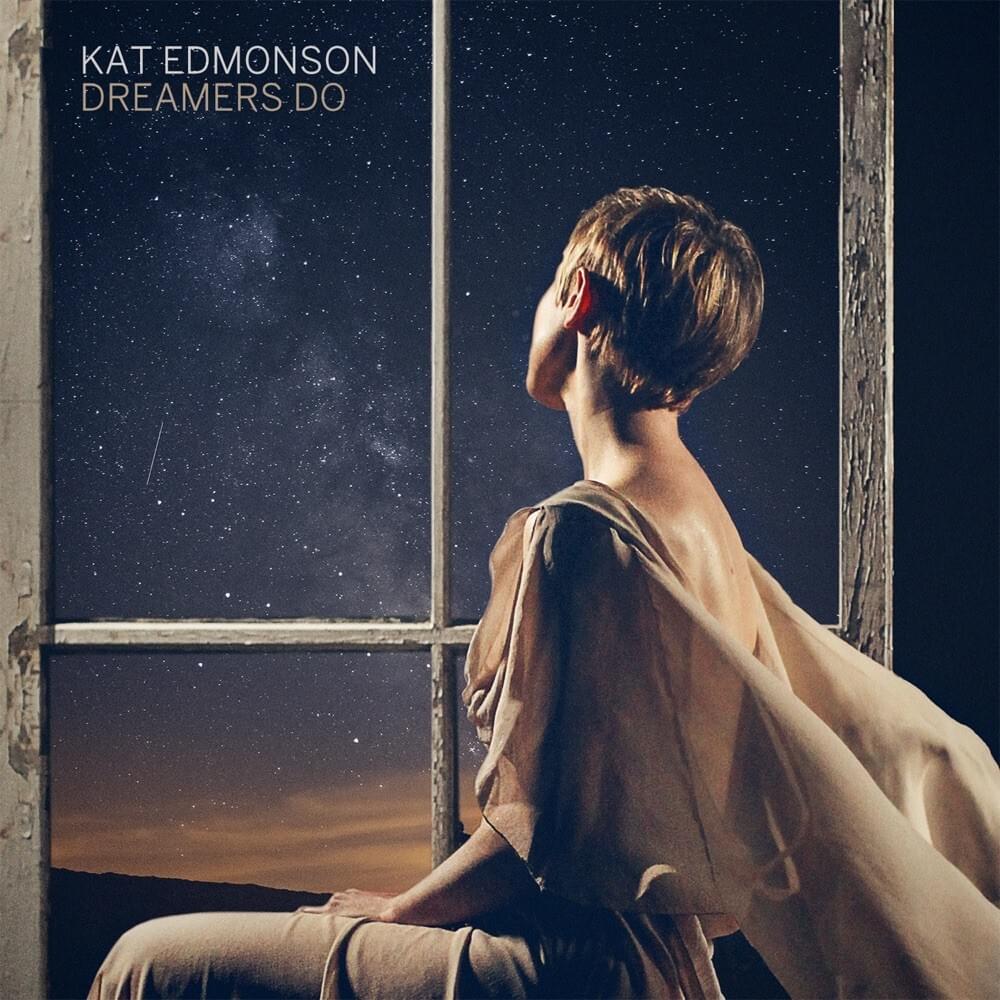
Kat Edmonson's "Too Late to Dream" isn't just a song; it's a delicately crafted existential question mark hanging over the listener. The immediate feeling isn't sadness, but a wistful uncertainty familiar to anyone who's felt the weight of adult expectations crushing their inner child. Edmonson's lyrical query centers on the universally relatable fear: has the relentless march of time and responsibility irrevocably damaged our capacity for imaginative freedom? The opening lines establish a contrast between a past where dreams felt preordained ("Whatever I could dream was meant to be") and a present shadowed by doubt. This sets the stage for the song's core inquiry: is it, indeed, "too late to dream?" 
The beauty of "Too Late to Dream" lies in its refusal to offer easy answers. Edmonson explores the psychological cage we build for ourselves as we age, questioning whether we're "caged by [our] age" and trapped within a narrative nearing its end ("Have I read the last page?"). This isn't mere lament; it's a confrontation with the limitations we impose on ourselves. The lyrics subtly suggest that perhaps the perceived constraints are self-imposed, born from a fear of vulnerability and a societal pressure to conform to a more 'realistic' path. She frames the loss of dream as a loss of freedom.
Ultimately, the song's power resides in its open-endedness. By repeatedly asking "Is it too late to dream?" without providing a definitive response, Edmonson compels the listener to confront their own relationship with imagination and aspiration. The imagery of the moon giving way to a day that "isn't mine" evokes a sense of mortality and the fleeting nature of time, further amplifying the urgency of the question. "Too Late to Dream" is a poignant reminder that the choice to dream, or not to dream, remains ours, even amidst the complexities of adulthood. It is a ballad, but it is also an invitation to reclaim the boundless potential of our inner world.
 View Artist