Song Meaning
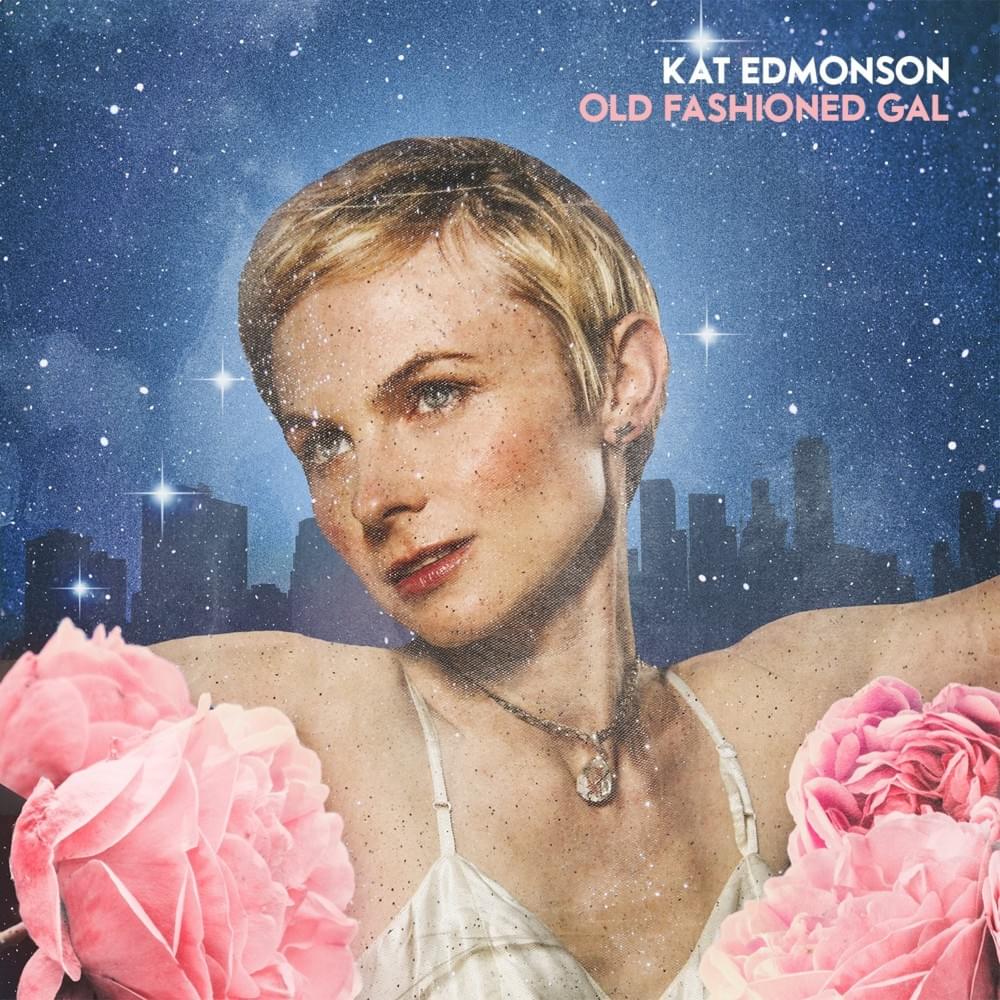
Kat Edmonson’s "A Voice" isn't just a song; it's a quiet manifesto of self-acceptance and the yearning for authentic expression. The opening lines immediately dismantle the superficial metrics by which we often define ourselves: "Numbers and photographs do not a person make." Edmonson pushes past the external, the quantifiable, to suggest that true identity resides beyond the reach of statistics and snapshots. It’s a powerful rejection of societal pressures to conform to easily digestible labels and pre-packaged narratives. The lyrics emphasize the subjective experience, hinting that the most profound aspects of selfhood are often invisible to the outside world. The song's meaning centers on the limitations of external validation.
The core desire expressed in "A Voice" is not simply to sing, but to liberate the inner self. The recurring lines, "If I had a voice I would sing / And I'd be satisfied,” operate on multiple levels. On one, it's a literal longing for the ability to express oneself through music. Yet, metaphorically, it speaks to the universal human need to be heard, understood, and validated. The lyrics explore feelings of inadequacy and not fitting in, with Edmonson noting, "I'm not the model type / Most clothes won't fit me right / Maybe I don't fit in / With anything." This vulnerability makes the desire to sing – to find one's voice – all the more poignant. It’s a yearning to transcend perceived limitations and connect with something larger than oneself.
Ultimately, "A Voice" transcends simple self-pity by evolving into a declaration of independence. The lines, "I've walked along this path alone / I've seen my share of things / And now it's only I who know what any of it means," mark a crucial turning point. Edmonson acknowledges the solitary nature of her journey but reclaims ownership of her narrative. The song suggests that true freedom lies not in conforming to external expectations, but in embracing the unique tapestry of one's own experiences. The song's climax hints at the transformative power of self-expression. The final repetition of "If I had a voice I would sing" is less a lament and more a hopeful affirmation, a belief in the potential for liberation and self-discovery through finding and using one's voice, both literally and figuratively.
 View Artist