Song Meaning
The lyrics present a series of profound promises for overcoming suffering, from internal pain to physical illness. Each promise, however, comes with a singular, non-negotiable spiritual condition. The tone is direct, almost a spiritual manifesto. It offers a clear path to inner peace and strength.
The central tension here lies in the stark conditional "Bet tikai tad" (But only then). This phrase acts as a powerful hinge, setting up a clear dichotomy: relief from "evil that has stung the heart" or enduring joy "even if you are blamed" is entirely dependent on an internal spiritual resurrection. This creates a sense of urgency, framing spiritual awakening as the sole gateway to true well-being.
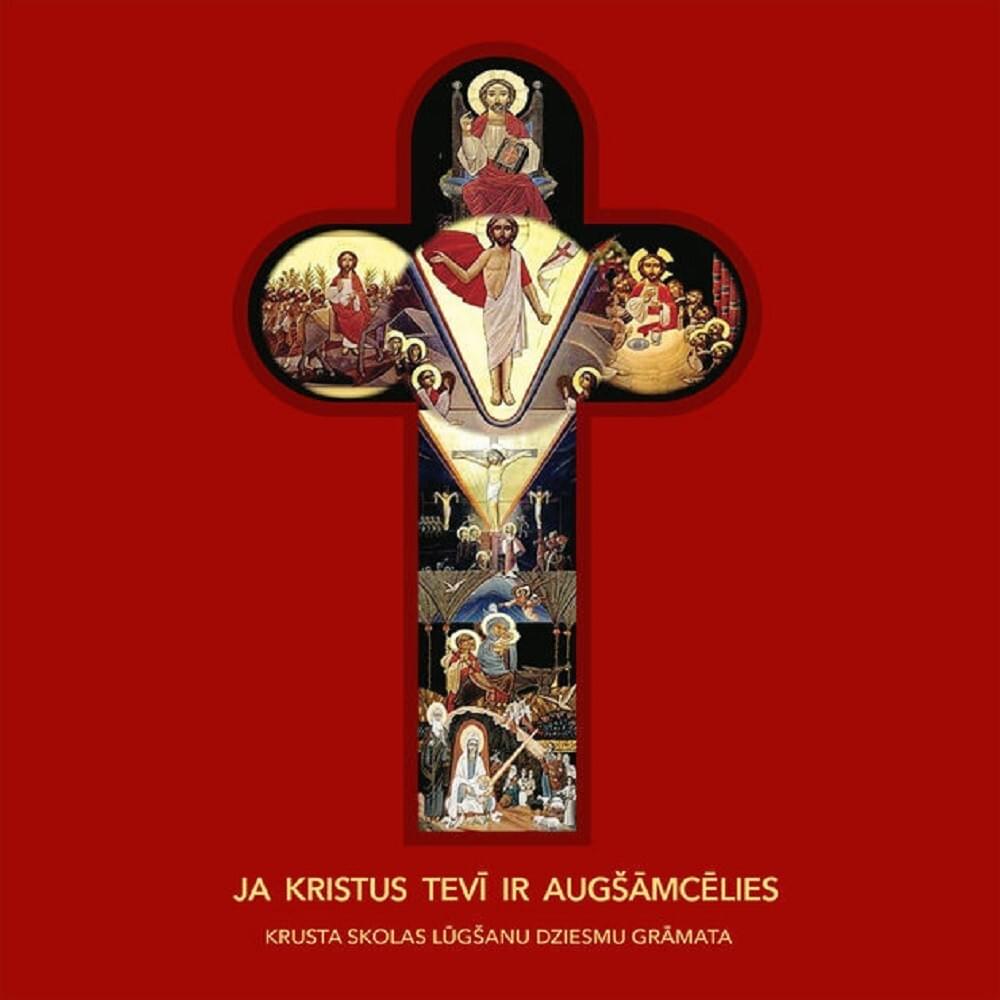
The relentless repetition is a key craft element. Each stanza reiterates its specific promise twice, then pivots sharply to the universal spiritual requirement. This rhythmic, almost incantatory structure doesn't just state the condition; it hammers it home, making "Ja Kristus tevī ir augšāmcēlies" (If Christ has risen in you) an inescapable refrain that defines all other outcomes. It's a powerful rhetorical device.
What makes these lyrics effective is their unflinching clarity and the way they reframe human suffering. They don't deny pain – "the cross-path of illness" is acknowledged – but they offer a framework where even the deepest struggles gain purpose. The direct address to the "sinner" in the final lines makes the message intensely personal, offering a path to salvation contingent on this internal spiritual awakening.
 View Artist