Song Meaning
Kasmir's "Tervetuloa" isn't just a welcome; it's a full-throated embrace of individuality against the din of societal expectations. The track, seemingly simple on the surface, operates as a powerful affirmation, particularly aimed at the young and questioning. It dismantles gendered stereotypes with a casual yet cutting precision, challenging the tired tropes of stoic masculinity and fragile femininity. When Kasmir sings, "They say boys don't cry / But I sob daily / They say girls are soft / But your mom is the toughest around here," he's not just subverting expectations; he's highlighting the absurdity of those very expectations in the first place. The song meaning resides in this rejection of imposed roles. It's about the freedom to define oneself.
The core message of "Tervetuloa" resides within its repeated chorus: a heartfelt welcome, an expression of joy at meeting someone new, and the admission that things were "a little quiet" before their arrival. This isn't merely polite Finnish hospitality; it's an acknowledgement of the vital role each unique individual plays in the larger tapestry of human experience. The lyrics suggest that the world is incomplete without the specific perspective and presence of this newcomer. The “you” in the song possesses the “hope of the world” and its “wisdom,” and the power to choose their own path, be it a “bow” or a “scrape.” It is an invitation to embrace authenticity and reject societal pressure to conform, a theme that resonates deeply in a world often obsessed with categorization and control.
Ultimately, "Tervetuloa" functions as an anthem of encouragement. It’s a musical pat on the back, a reminder that inherent worth lies not in adherence to prescribed norms but in the simple act of being oneself. The outro, a simple, almost primal vocalization, underscores this message. The "huu-uu" sounds like a call to the wild, an invitation to shed inhibitions and embrace the journey of self-discovery. Kasmir creates a space where vulnerability is strength, and individuality is celebrated. In a world that often feels isolating and prescriptive, "Tervetuloa" offers a moment of genuine connection and acceptance.
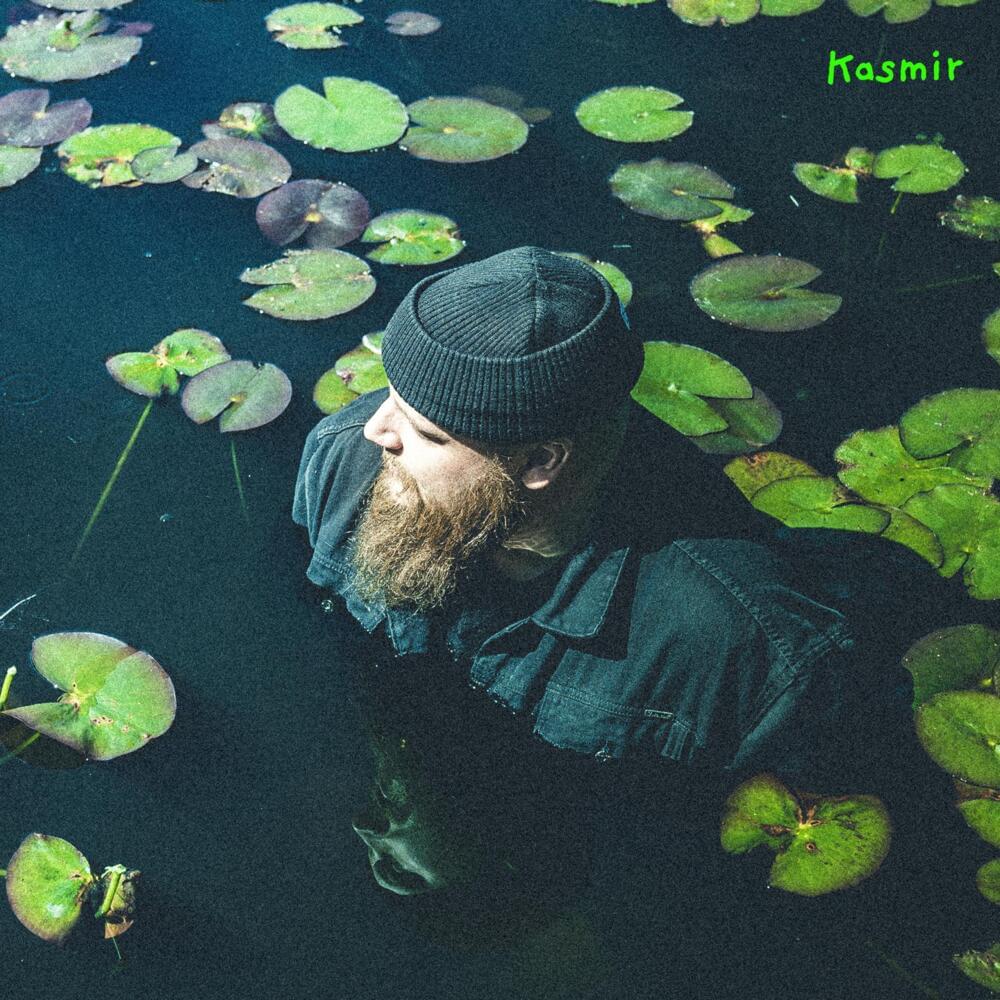
 View Artist