Song Meaning
{"song_id": 13605327, "meaning": "Karla Bonoff's \"Lose Again\" isn't just a heartbreak ballad; it's a masterclass in the psychology of romantic entanglement. The song lays bare the internal conflict of someone trapped in a destructive cycle, fully aware of their predicament yet powerless to break free. The opening lines, \"Save me, free me from my heart this time,\" are a desperate plea for liberation, immediately establishing the narrator's self-awareness. She recognizes the relationship as a trap, symbolized by \"the train's gone down the track and I've stayed behind,\" highlighting a missed opportunity for escape and a deliberate choice to remain in a harmful situation. This sets the stage for a deeper exploration of why we often choose familiar pain over the uncertainty of freedom.
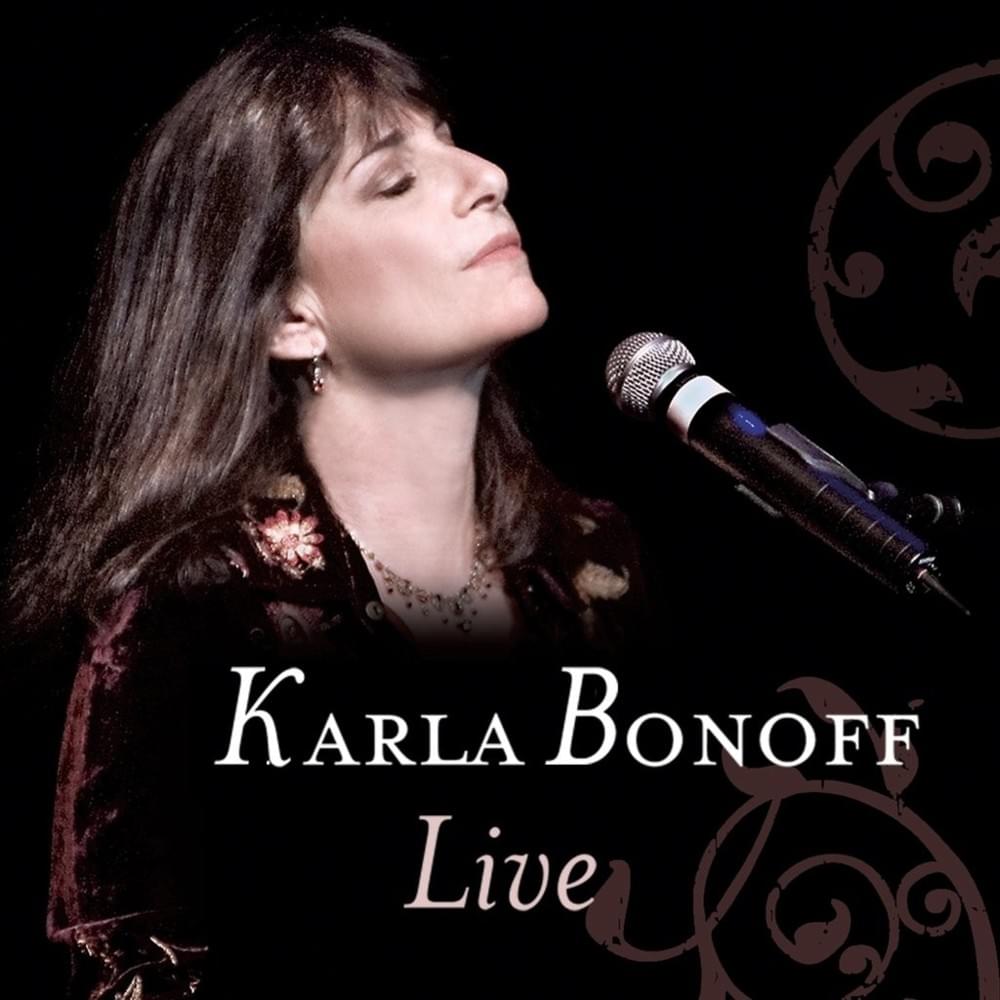
The chorus serves as the song's emotional core, hammering home the central paradox: \"Nothing can free me from this ball and chain...I love you and lose again.\" The \"ball and chain\" metaphor is classic, but Bonoff's delivery, especially in a live setting, imbues it with a raw vulnerability. The line \"I've made up my mind I would leave today\" is particularly poignant because it underscores the conscious effort to escape, contrasted with the magnetic pull of the relationship. The narrator acknowledges the insanity of staying, admitting \"you're keeping me goin', I know it's insane,\" revealing a deep-seated conflict between logic and emotion. This is the crux of the song's meaning: the painful recognition that love, in its most distorted forms, can become a self-inflicted wound.
\"When the heart calls, the mind obeys,\" Bonoff sings, further illustrating the power dynamic within the narrator's psyche. This isn't just about irrationality; it's about the heart's capacity to override reason, even when reason screams for self-preservation. The subsequent lines, \"If I hold on for one more day, oh maybe, maybe he'll be true,\" expose the fragile hope that sustains the cycle of abuse. This \"maybe\" is the thread that keeps the narrator tethered, despite the overwhelming evidence to the contrary. The repeated chorus reinforces the cyclical nature of the relationship, a constant loop of hope, disappointment, and resignation. The enduring power of \"Lose Again\" lies in its unflinching portrayal of this complex and often unspoken aspect of love, capturing the agonizing dance between desire and self-destruction."}
 View Artist