Song Meaning
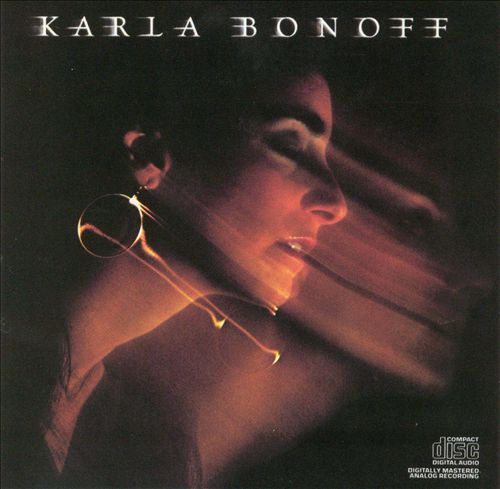
{"song_id": 13605352, "meaning": "Karla Bonoff's \"Lose Again\" isn't just a song; it's a masterclass in emotional self-sabotage, a portrait of someone caught in the undertow of a love they know is destructive. The opening lines, \"Save me / Free me from my heart this time,\" are a desperate plea for intervention, acknowledging the singer's inability to break free from a toxic cycle. The \"train's gone down the track, and I've stayed behind\" vividly illustrates the feeling of being left behind, not necessarily by the partner, but by life itself, as the relationship stagnates and prevents personal growth. It's a potent image of missed opportunities and self-inflicted wounds.
The chorus is the crux of the song's meaning, the brutal honesty at its core. The \"ball and chain\" metaphor is hardly subtle, yet its effectiveness lies in its universality. We've all felt trapped by something, and Bonoff nails the feeling of being bound to a situation one knows is detrimental. The internal conflict is palpable: \"I've made up my mind I would leave today / But you're keepin' me goin', I know it's insane.\" This isn't a story of blissful ignorance; it's a conscious choice to remain in pain, fueled by the irrationality of love. The repetition of \"Because I love you and lose again\" drives home the fatalistic acceptance of this pattern.
Bonoff's exploration of the heart-mind dichotomy in the second verse adds another layer of complexity to the song's meaning. \"When the heart calls, the mind obeys / Oh it knows better than me, baby\" speaks to the frustrating reality of emotional reasoning overriding logic. The heart, despite its best intentions (or perhaps because of them), leads to self-destruction. The faint glimmer of hope, \"If I hold on for one more day / Oh maybe, maybe he'll be true,\" is quickly extinguished by the repeated chorus, a constant reminder of the inevitable outcome. The song becomes an anthem for those who understand the exquisite agony of loving someone who consistently breaks their heart, and the frustrating inability to walk away."}
 View Artist