Song Meaning
The lyrics paint a picture of a relationship that blossomed through the seasons, starting with friendship in spring and deepening into love by winter. The narrator traces this progression, highlighting how their connection evolved from a simple bond to a shared life, culminating in the declaration "Ahora somos dos, tú y yo" (Now we are two, you and I). This cyclical journey through the year mirrors the growth and solidification of their partnership.
The central tension lies in the contrast between the ease of negativity and the effort required for positive experiences, particularly in love. The narrator acknowledges that "Lo malo siempre es fácil" (The bad is always easy), but emphasizes that the effort invested in this relationship was worthwhile, leading them to choose this person "por ti" (for you) over others. This suggests a conscious decision to prioritize and nurture the connection despite potential difficulties.
A striking element is the subtle shift in possession and identity described in the second verse. The narrator questions personal change and observes differences in their partner, ultimately concluding that their individual identities have merged. The lines "No hay nada mío, no hay nada tuyo / Pues todo es de los dos, tú y yo" (There is nothing mine, there is nothing yours / Because everything belongs to both, you and I) powerfully convey a profound sense of unity and shared existence.
This lyrical progression is effective because it grounds abstract feelings of love and commitment in tangible, relatable imagery of the changing seasons and the daily ebb and flow of life. The deliberate pacing, moving from friendship to deeper feelings across the year, creates a sense of natural, organic development. The final assertion of shared identity, where individual ownership dissolves into a collective "ours," offers a deeply resonant portrayal of a committed, intertwined relationship.
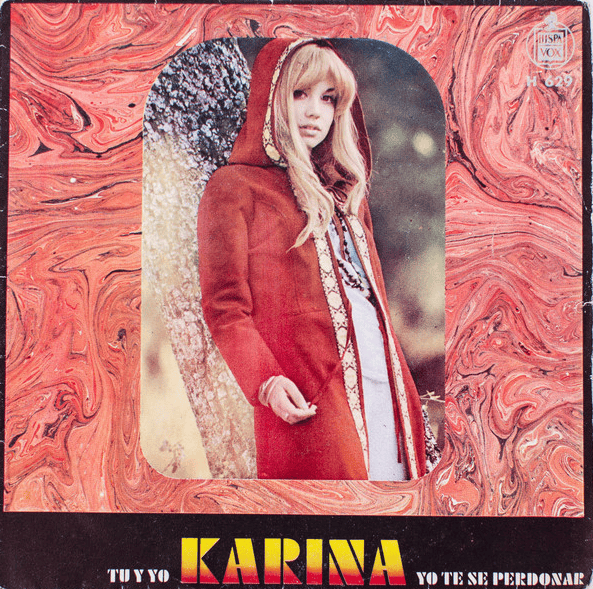
 View Artist