Song Meaning
The lyrics paint a picture of a whirlwind romance that quickly turned sour. It begins with a seemingly idyllic encounter on a platform, where the narrator was instantly smitten and felt like they were living a dream. This initial infatuation led to a deep emotional investment, with the narrator giving their heart away. However, this dream quickly shattered, revealing the relationship to be a deceptive 'game' where the narrator ultimately lost.
The central tension lies in the narrator's struggle with the aftermath of this failed relationship. They acknowledge being completely captivated, stating "Tú lo has ganado" (You have won it) and "Tú te lo has llevado todo" (You have taken it all). This admission is laced with regret and a desperate plea for freedom, as they confess, "Mi libertad te pido, por favor" (I ask for my freedom, please). The repeated phrase "Perdí en tu juego" (I lost in your game) underscores the feeling of being manipulated and defeated.
The most striking aspect is the stark contrast between the initial hopeful illusion and the harsh reality. The narrator recalls "noches de champagne" (nights of champagne), suggesting a period of luxury or intense connection, but immediately follows with "En soledad, no puedo evitarlo" (In solitude, I can't help it), revealing the emptiness behind the facade. This juxtaposition highlights the deceptive nature of the relationship, where outward appearances masked an underlying loneliness and eventual loss.
Ultimately, the effectiveness of these lyrics stems from their raw portrayal of vulnerability and disillusionment. The narrator's direct address to the person who now holds dominion over their heart, "Dueño de mi corazón" (Owner of my heart), conveys a profound sense of loss of control. The simple, repetitive structure of the chorus hammers home the inescapable reality of their situation, making the emotional weight of being "dueño de mi vida" (owner of my life) palpable.
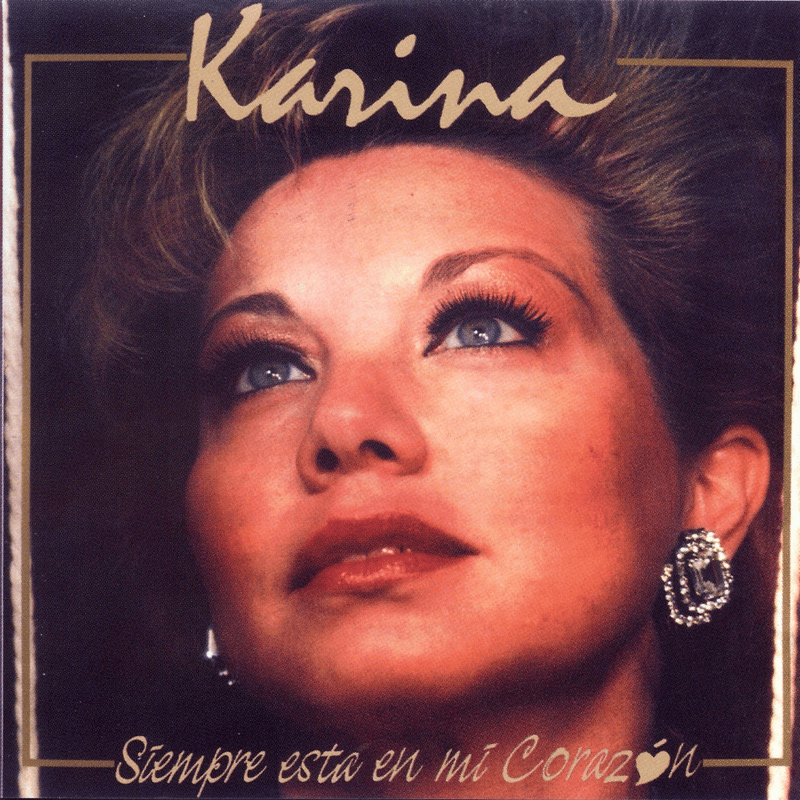
 View Artist