Song Meaning
The lyrics paint a stark picture of an ending, where the most beautiful day is fading and an irreplaceable flower is dying. This sets a somber tone, emphasizing finality and loss. The recurring line, "Kun päättyy tää, Muisto vain jää" (When this ends, only a memory remains), underscores the central theme: the inevitable transition from presence to absence. The narrator grapples with the immediate aftermath of a departure, stating, "Huomiseen en uskoa vois" (I couldn't believe in tomorrow), highlighting a sense of disbelief and disorientation.
The core emotional tension arises from the narrator's inability to connect with the departing person or the future they represent. The wind's whisper becomes a constant reminder, yet it carries a name heard "Kuin kutsun jostain kauempaa" (Like a call from somewhere further away), suggesting a communication that is no longer direct or tangible. This is amplified in the chorus where the narrator admits, "En viestiin vastata mä voi" (I can't answer a message), and the "Kutsu tuulen turhaan soi" (The wind's call rings in vain). The wind, a natural element, becomes a metaphor for attempts at communication that are ultimately futile.
The most striking craft element is the persistent imagery of the wind and its whispers. It's a subtle yet powerful force, acting as both a messenger and a symbol of the ephemeral. The repetition of the wind's call, which the narrator cannot answer, creates a profound sense of isolation and helplessness. This contrasts sharply with the initial image of a beautiful, albeit dying, day, suggesting that even beauty is transient and offers no solace against the finality of loss.
These lyrics resonate because they capture the quiet devastation of an irreversible separation. The focus isn't on grand pronouncements but on small, sensory details – a fading day, a dying flower, a whispered name on the wind. The inability to respond to the wind's call perfectly encapsulates the feeling of being left behind, with only echoes and memories to hold onto. The simple, direct language and the stark repetition of the refrain make the sense of loss palpable and deeply felt.
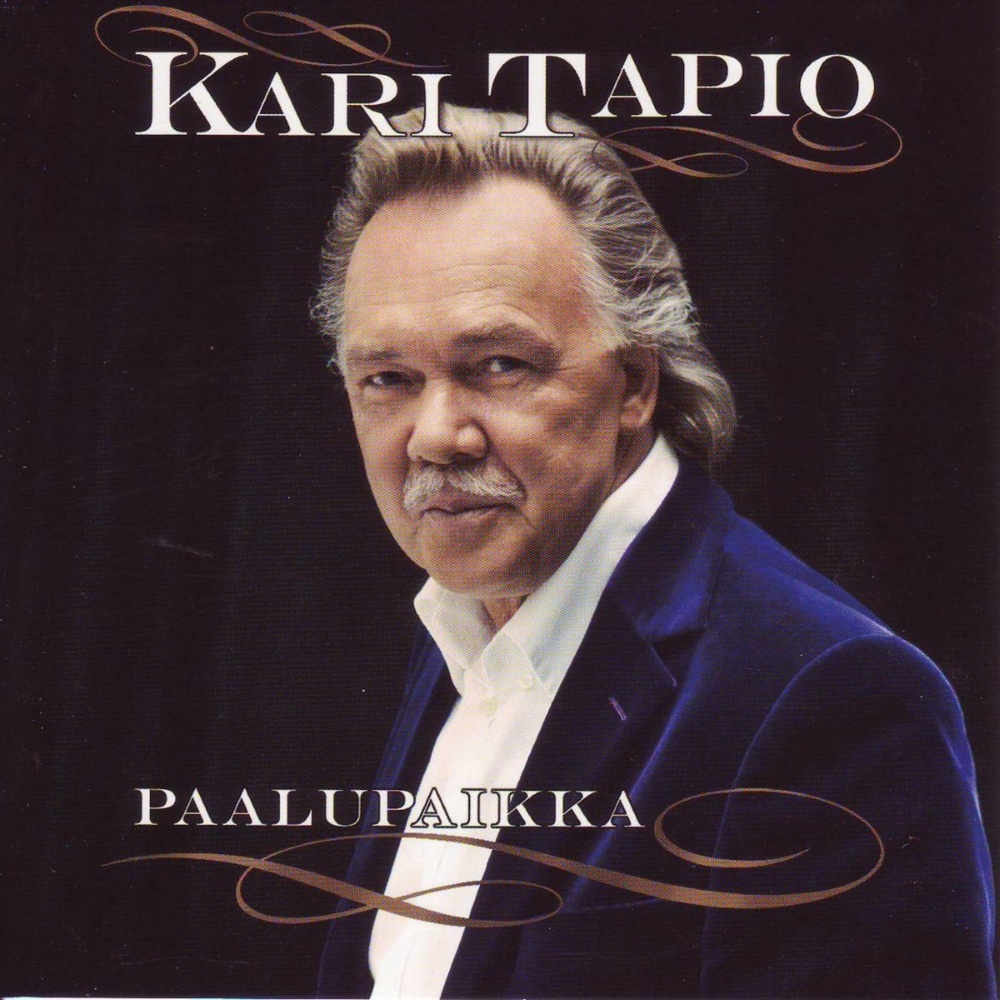
 View Artist