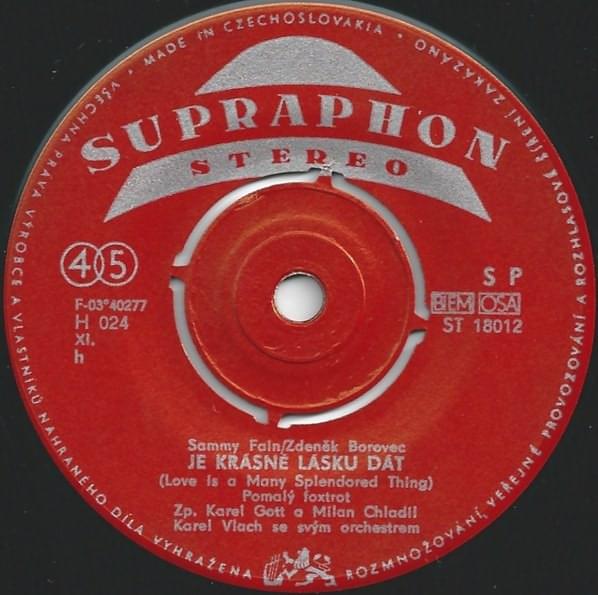
Song Meaning
This song paints a picture of love as a deeply felt, almost spiritual experience, even when it involves pain. The opening lines immediately establish a sense of beauty and renewal, linking the act of giving love to the feeling of a "spring wind." It suggests that love, in its purest form, brings a sense of awakening and fresh possibility, a stark contrast to the potential for heartache that follows.
The central tension arises from the narrator's unwavering devotion despite suffering. The repeated image of sleepless nights spent outside a loved one's home, coupled with the acknowledgment that their "longing doesn't know mine," highlights a profound unrequited or unacknowledged affection. The phrase "to be beaten a hundred times" underscores the depth of this pain, yet the narrator insists, "and still love you." This creates a powerful conflict between enduring hardship and the persistent, almost defiant, nature of their love.
The lyrics cleverly play with the idea of age and maturity in love. The narrator observes that the beloved, despite their outward appearance or perhaps even their own perceived age, is "actually still young." This suggests a youthful spirit or perhaps an innocence that allows them to give love freely, even if it means giving it to "this one or that one." The repetition of "It is beautiful, it is beautiful to give love" reinforces this core message, framing the act of giving, regardless of the recipient or the outcome, as inherently beautiful.
Ultimately, the song's effectiveness lies in its raw portrayal of love's duality. It doesn't shy away from the pain and unreciprocated longing, but it elevates the act of giving love above these struggles. The simple, direct language, combined with the recurring motifs of sleepless nights and enduring affection, creates an intimate and poignant reflection on the selfless, sometimes painful, beauty of loving someone.