Song Meaning
The lyrics paint a vivid picture of the Yezidi people, focusing on their unique devotional practice of turning to the sun three times a day to pray. This act is presented as a communal and deeply personal ritual, open to everyone regardless of age, status, or role – from children to elders, sheikhs to emirs. The narrator emphasizes the inclusivity and sincerity of these prayers, suggesting a profound connection between the individual and the celestial body.
The central idea revolves around the potential beauty and significance of these sun-facing prayers. The lyrics propose that these utterances, spoken directly to the sun, might represent the most exquisite prayers ever uttered by humanity. This elevates the Yezidi practice beyond mere religious observance, hinting at an artistic and spiritual wellspring.
The craft here lies in the speculative, almost reverent tone. Phrases like "Belki de" (Perhaps) are repeated, creating a sense of wonder and possibility rather than declarative fact. This gentle questioning invites the listener to consider the profound artistic and narrative origins that could stem from such direct, unmediated communication with nature. The imagery of the sun as a silent, receptive audience for all human expression is powerful.
This approach is effective because it avoids imposing external judgment or definition. Instead, it invites contemplation on the inherent beauty and potential creativity found in a specific cultural practice. The lyrics suggest that the Yezidi relationship with the sun might be a hidden source of humanity's greatest stories and poems, a testament to the power of sincere, natural devotion.
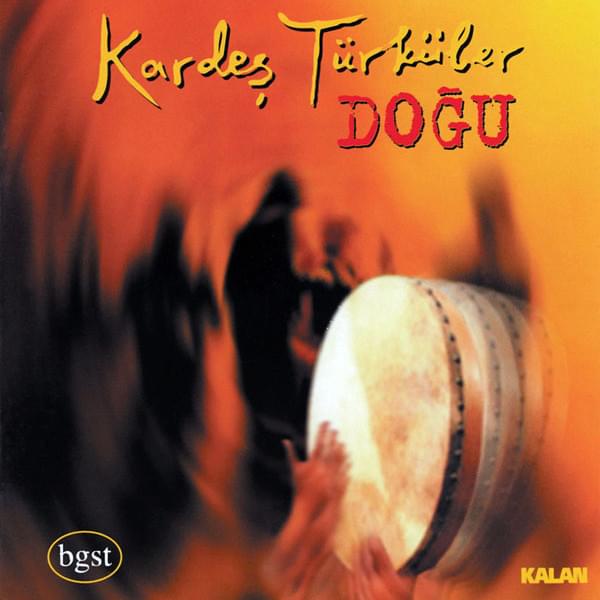
 View Artist