Song Meaning
The lyrics paint a stark contrast between a privileged few living a lavish existence and the majority struggling with a sense of powerlessness. The "high life" of Kings and Queens is presented as an "encased" dream, separate from the daily grind of those who "go from day to day / With the feeling we have no clout." This initial setup immediately establishes a societal imbalance, suggesting a system designed to keep most people in a state of perpetual need.
The central tension arises from this perceived injustice and the yearning for liberation. The chorus, "Life is for living / And living is for loving / Loving is for giving / If we can be free," acts as a powerful mantra, linking fundamental human experiences to the condition of freedom. The repeated question, "When will we all be free," underscores a deep-seated frustration and a collective desire for a fundamental shift in circumstances.
The writing sharpens its critique through pointed imagery of corruption and exclusion. Politicians are depicted as worshipping "the altar of gold," prioritizing personal gain over the welfare of the needy. The mention of "McDowell" and his actions – building "barriers" and removing those who don't "look anything like ours" – offers a concrete, albeit generalized, depiction of xenophobia and exclusionary policies. This specific example amplifies the abstract feeling of powerlessness into a tangible threat.
Ultimately, the lyrics resonate because they articulate a universal longing for a more equitable and compassionate world. The final lines, "When will we open our hearts to sing / Let the stars fall out and lets begin," shift from a question of when freedom will arrive to a call for proactive change. It suggests that true liberation requires not just external circumstances to change, but an internal willingness to embrace love, giving, and a new beginning, even if it means disrupting the status quo.
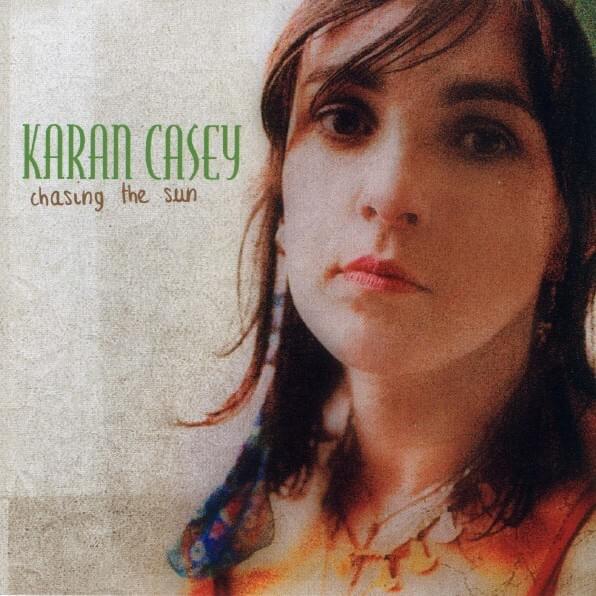
 View Artist