Song Meaning
The lyrics open with a stark, internal conflict: "Chordun ye raah ya chalta rahun?" (Should I leave this path or keep walking?). This immediate question sets a tone of weary indecision, immediately contrasted by the fiery imagery of "Beetain kal ki aag mei jalta rahun?" (Should I keep burning in the fire of yesterday?). The narrator grapples with continuing on a difficult path or being consumed by past struggles.
The core tension emerges as the narrator rejects blame and external control: "Ye zulm mera nahi / Ye waqt tera nahi" (This oppression isn't mine / This time isn't yours). There's a powerful refusal to remain silent, declaring "Khamosh na honge ab / Toofaan thamma nahi" (We won't be silent now / The storm hasn't stopped). This isn't just personal struggle; it's a collective defiance against an oppressive force, signaling an imminent, declared conflict.
The repeated phrase "Ailan e Jang hai ye!" (This is a declaration of war!) acts as a powerful, insistent refrain, underscoring the gravity of the situation. The lyrics then pivot to address those led astray by falsehoods, "Jhoot mei gumraah jo tere hamra" (Those who are misguided with you in lies), predicting their eventual ruin: "Haar ke jalay yun wujood tera" (Your existence burns, defeated). The stark dichotomy presented in the repeated lines "Azaad ab tum ho ke! / Ghulaam hi rahogay!" (Now you are free! / You will remain a slave!) highlights a critical choice between liberation and continued subjugation, framing the conflict as a battle for true freedom.
This lyrical declaration is effective through its directness and escalating intensity. The insistent repetition of "Jang!" and the war cry "Ailan e Jang hai ye!" build a sense of urgency and unwavering resolve. The sharp contrast between freedom and slavery, and the condemnation of those who remain deceived, creates a potent emotional impact, pushing the listener towards a decisive stance against oppression.
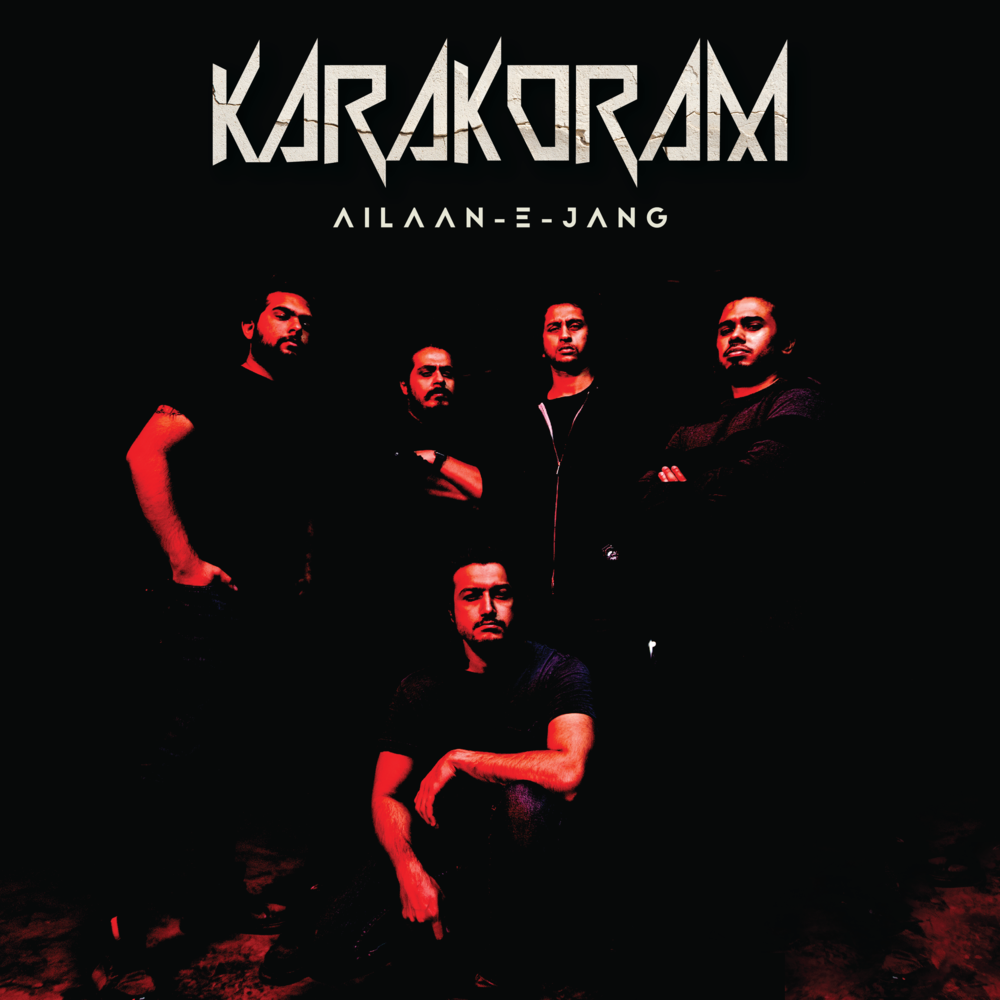
 View Artist