Song Meaning
The lyrics paint a picture of a once-mighty city, Byzantium, now in decline, prompting a wistful reflection on its past glory. The opening lines immediately pose a question about its resilience against the inevitable forces of change, personified by the "tide." The imagery of "Pantocrator's rule" and "golden domes" evokes a sense of divine authority and opulent grandeur, yet this is juxtaposed with the "frailty of the consequence," suggesting that even immense power and beauty are ultimately vulnerable.
The central tension lies in the contrast between the city's former eminence and its present state of decay. The narrator laments that "only shadows of the glories remain" and that "no one sings your plaintive song." This evokes a sense of loss and forgotten history, where the once vibrant "dream was like a shining light" has faded, leaving behind only echoes and the poignant realization that such peak achievements were "too lovely to sustain."
The most striking aspect is the persistent question, "Where is the road that takes us to Byzantium?" This isn't just a geographical query; it represents a yearning for a lost ideal, a return to a time of perceived strength, beauty, and order. The "frescoed walls" serve as a tangible, albeit decaying, reminder of this lost era, a visual anchor for the collective memory and the desire to recapture something that seems irretrievably gone.
Ultimately, the lyrics resonate because they tap into a universal human experience: the awareness of impermanence and the bittersweet nostalgia for past greatness, whether personal or societal. The careful crafting of imagery, from the divine "Pantocrator" to the fading "frescoed walls," creates a powerful emotional landscape of longing and elegy for a world that, like Byzantium itself, could not withstand the relentless march of time.
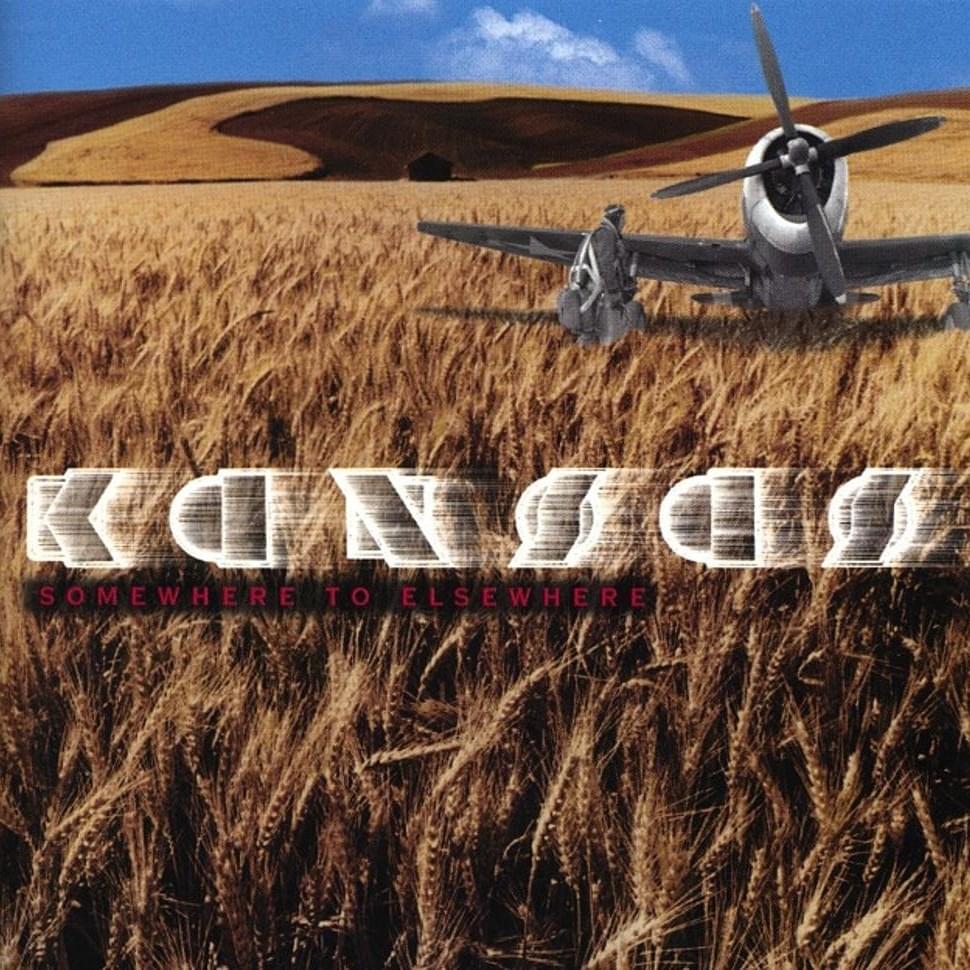
 View Artist