Song Meaning
The lyrics paint a stark picture of unrequited love and the painful acceptance of a lost connection. The narrator acknowledges the reality of their situation, recognizing that their own suffering is tied to the other person's happiness. They admit to past foolishness, having invested everything in waiting for someone who likely doesn't reciprocate those feelings. This sets a tone of melancholic resignation.
The central tension lies in the narrator's struggle to reconcile their deep feelings with the apparent indifference of the person they love. They question if they are ever thought of, even their voice forgotten, and assume the other person is happier now, without them. This creates a profound sense of loneliness and inadequacy, amplified by the narrator's wish that their own pain remain unseen.
A striking element is the recurring plea for the other person's happiness, juxtaposed with the narrator's own inability to move on. The repeated "행복하세요" (Be happy) feels less like genuine well-wishing and more like a desperate attempt to convince themselves. The lyrics suggest a deep-seated self-blame, as the narrator cannot forgive themselves for letting the relationship end, indicating a lingering, unresolved grief.
Ultimately, the effectiveness of these lyrics stems from their raw emotional honesty and the relatable pain of loving someone who has moved on. The narrator's internal monologue reveals a complex mix of acceptance, longing, and self-recrimination, making their plight feel intensely personal and poignant. The final lines, admitting they "cannot endure" and will "never forgive" themselves, underscore the enduring impact of this loss.
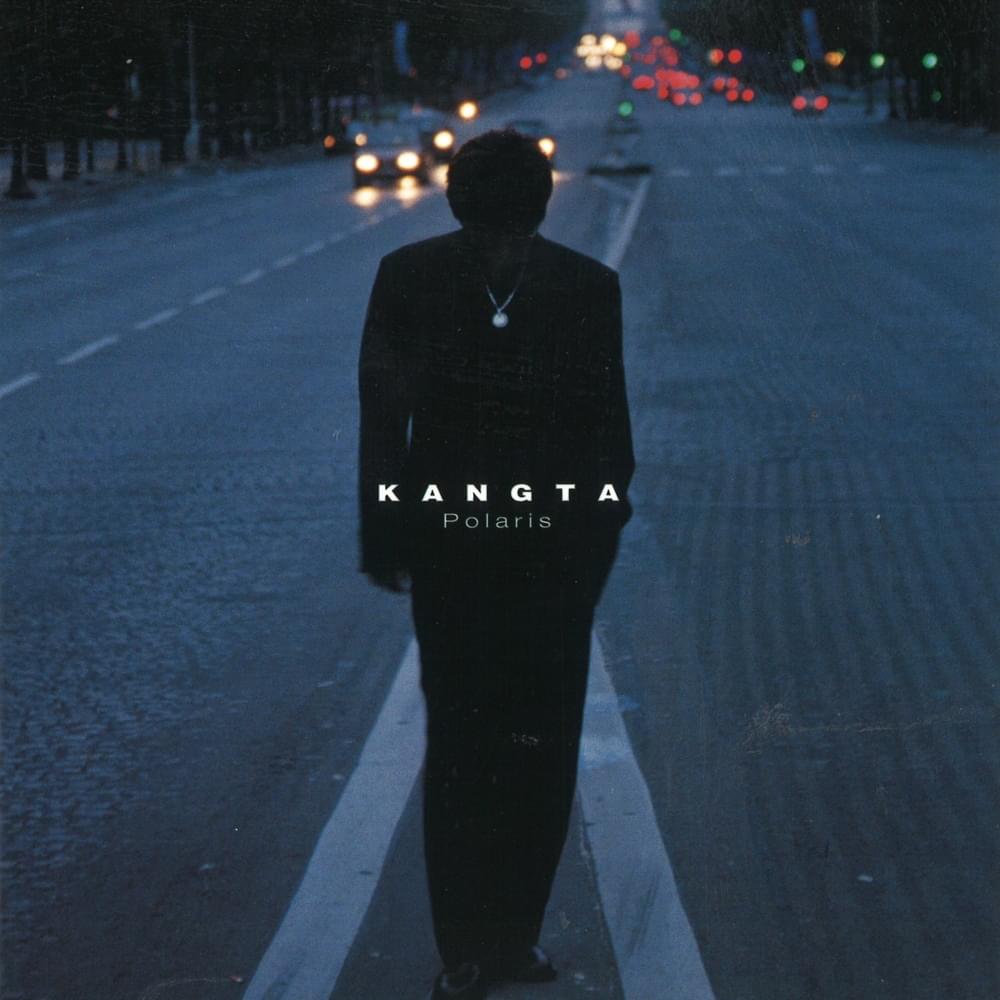
 View Artist