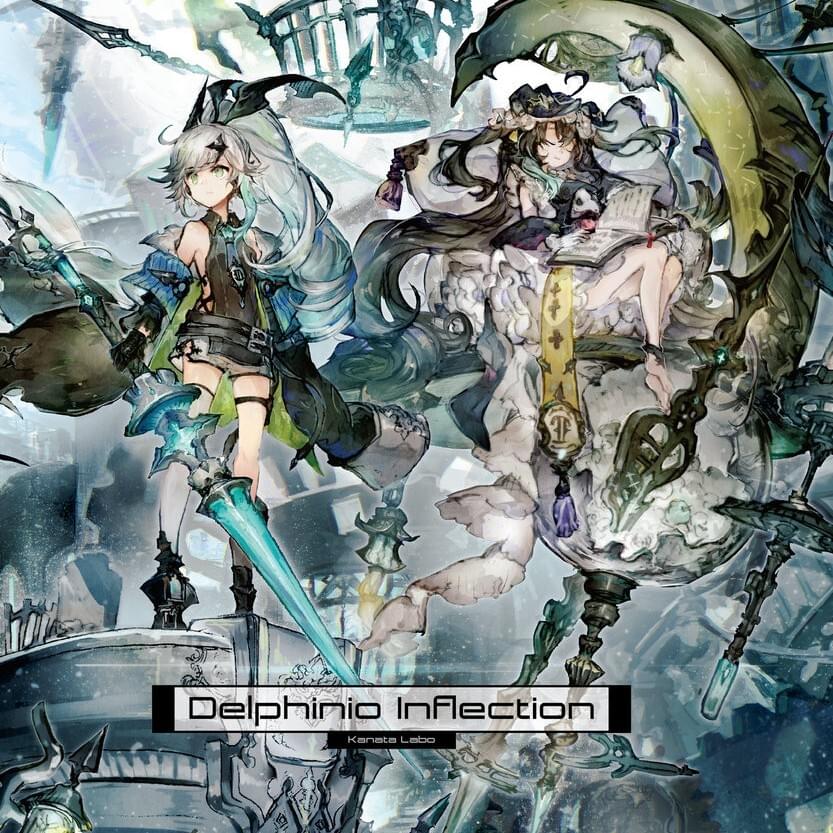
Song Meaning
The lyrics paint a picture of someone consumed by unacknowledged pain and a desperate need for validation. The narrator recounts years of silent suffering, emphasizing the emotional toll of a relationship where their efforts and feelings seem to have been overlooked. The repeated assertion, "You don't know how much I cried," underscores a profound sense of being unseen and unheard by the person they care about. This sets up a central conflict: the narrator's deep hurt versus the perceived indifference of the other person.
The core tension arises from a perceived betrayal and a desperate plea for recognition. The narrator questions why they were passed over for someone else, asserting their own greater suffering and tireless efforts. Phrases like "Why would you choose her over me?" and "I've suffered way more than you" reveal a deep-seated insecurity and a competitive struggle for affection. The narrator feels they have exhausted all possibilities for improvement, stating, "I can't work any harder or any better," highlighting a feeling of hitting a wall in their pursuit of the other person's favor.
A striking element of the craft is the contrast between the narrator's internal struggle and their external presentation. The line "I wore a mask outside / But at home I desperately tried" reveals a facade of composure hiding intense effort and emotional turmoil. This duality suggests a strategic, almost performative approach to winning back affection, driven by a desire to "get back at those jerks who split us up." The repeated vow, "I will be your number one," coupled with the plea "I want to be with you," solidifies the narrator's unwavering, almost obsessive, commitment despite the evident pain.
Ultimately, the effectiveness of these lyrics lies in their raw portrayal of unrequited devotion and the sting of rejection. The narrator's relentless drive to prove their worth, even after enduring significant emotional "scratches left in my heart," creates a compelling, albeit painful, narrative. The lyrics capture the exhausting cycle of trying to earn love that feels perpetually out of reach, leaving the listener with a potent sense of the narrator's enduring, self-imposed quest for primacy.