Song Meaning
The lyrics paint a stark picture of internal conflict, a battle against a persistent, seductive force. The opening lines establish a mood of darkness and self-identification as a "sinner." There's a sense of betrayal, as even things that once offered comfort, like "waters," now cause pain. This suggests a profound personal fall from grace or a deep-seated struggle that has corrupted former sources of solace. The narrator feels trapped, facing a "war that's within" and resolving to fight one final, decisive battle.
The central tension lies in the duality of the "voice from within" that simultaneously tempts with "pleasures of sin" and torments with its persistence. This internal entity plays with emotions, promising "pure desire" while also being the source of the narrator's suffering. The repetition of "It's here this will end" underscores a desperate need for resolution, a desire to finally overcome this internal adversary, even if it means a final, desperate act.
The most striking aspect is how the lyrics personify this internal struggle as an insidious entity that resides within the listener's mind. It's not just an external temptation but a deeply ingrained part of one's being, present "the first time you sinned" and promising to remain "till the end." The imagery of drawing a sword for the "last time" and hiding "deep in your head" creates a powerful, almost gothic, sense of inescapable internal warfare.
This lyrical construction is effective because it taps into a universal experience of battling one's own worst impulses or destructive tendencies. The language is direct and visceral, using contrasts like blessing turning to burning and the internal voice being both a tempter and tormentor. The finality of "It's here this will end" resonates with the desperate hope for liberation from a consuming inner conflict.
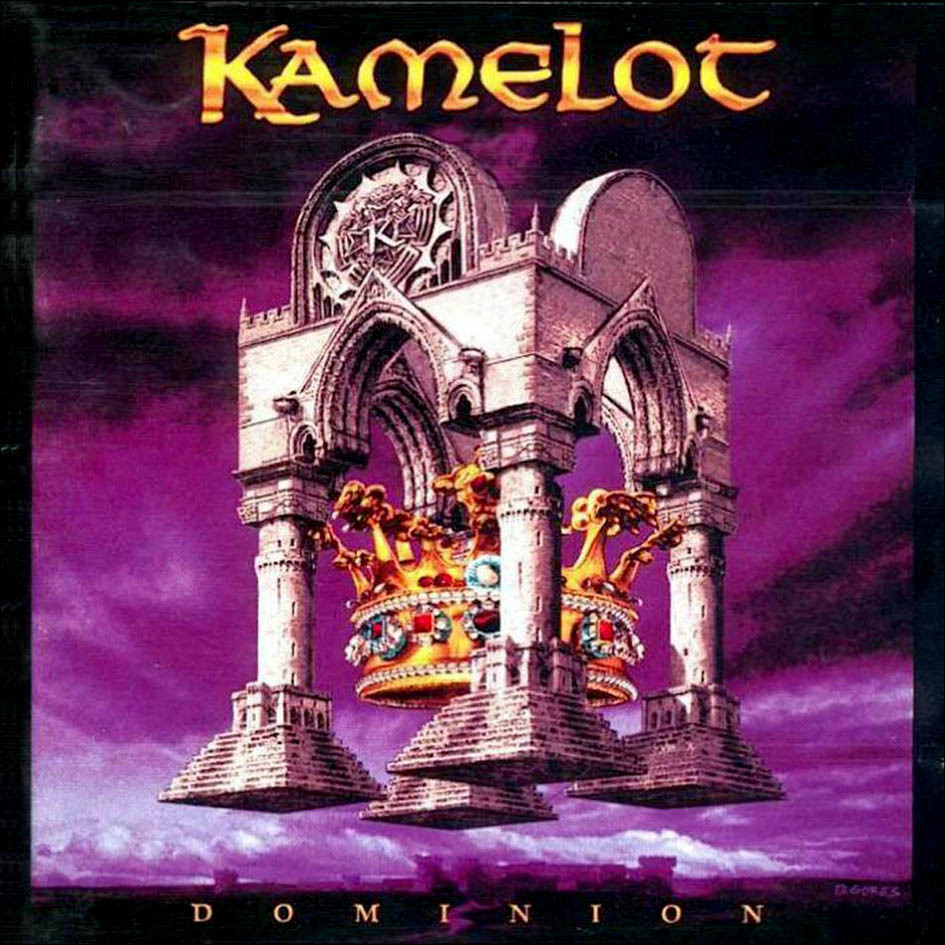
 View Artist