Song Meaning
The lyrics paint a picture of a past self, once clear-eyed and respected, now grappling with a profound loss of innocence and reputation. The narrator recalls a time of "bold ambitions" and the ability to discern "the crooked from the wicked one," suggesting a former clarity that has since eroded. This nostalgic reflection is punctuated by a haunting recognition of someone known well, someone the narrator believed would "not be gone," hinting at a betrayal or abandonment that shattered that certainty. The repeated plea, "Come with me tonight," feels less like an invitation and more like a desperate attempt to recapture a lost connection or a former state of being.
The core tension arises from the stark contrast between the narrator's past self and their present reality. The mention of having "respect" and "a name of reputation," coupled with the inability to "watch myself / Without being disgraced," points to a significant fall from grace. This decline isn't just personal; it seems tied to the departure of the person addressed, whose absence has left a void. The lyrics suggest a shared past where survival or vitality was a joint effort, encapsulated in the lines, "Let us find a place where we can hide" and "Let me show you how we stay alive."
The spoken word section about the "incubus" provides a crucial lens, defining it as a "heavy feeling in bed" or a "weight pressing down on your chest," historically attributed to a demon lover. This definition resonates deeply with the song's emotional landscape, implying that the narrator's current state of despair, guilt, or oppressive sadness is akin to being physically weighed down or haunted by a past presence. The "demon lover" concept, born from religious fervor, suggests that the narrator's internal torment feels supernatural or inescapable, a heavy burden from which they cannot wake.
Ultimately, the effectiveness of these lyrics lies in their melancholic portrayal of lost potential and the lingering weight of a past relationship or event. The juxtaposition of past confidence with present disgrace, amplified by the chilling definition of an incubus, creates a palpable sense of dread and regret. The narrator's yearning to reconnect or recapture a lost sense of being "alive" feels like a desperate plea against the suffocating presence of their own internal "incubus."
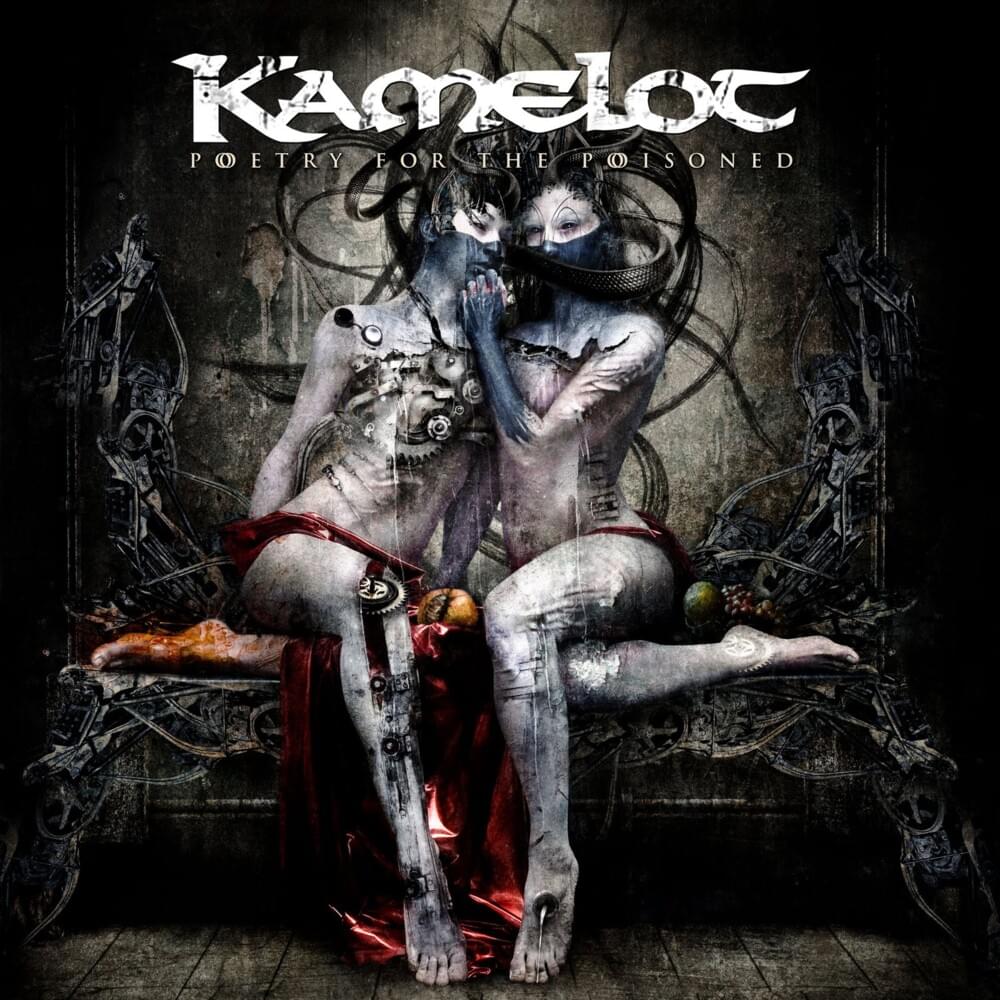
 View Artist