Song Meaning
The lyrics paint a vivid picture of a near-death experience, opening with a disembodied perspective. The narrator observes their own body from above, a classic out-of-body sensation that immediately establishes a profound sense of detachment and dread. The air is filled with "sighs," suggesting sorrow or regret, as the narrator confronts the terrifying uncertainty of their fate: "Night, will it find the day / Or will I slumber for eternity." This sets a tone of existential crisis, poised on the brink of the unknown.
The central conflict emerges as the narrator grapples with the allure and terror of what lies beyond. A "knocking at the gates" and "darkness calling" hint at a transition, but the question "How will I know what awaits?" reveals a deep-seated fear of the unknown. This fear intensifies as the narrator is "pulled through these hallowed halls" toward a distant light, a common trope for the afterlife. Yet, this celestial vision is immediately undercut by the sight of "fires are churning," creating a jarring contrast between expected salvation and potential damnation. The narrator's internal struggle is palpable: "I must not leave this world / But I lost my resistance."
The most striking element is the titular "Parting Visions." These are not passive memories but active, screaming "voices in my head," intensely focused on calling out a name. This repetition amplifies the desperation and the profound connection the narrator feels to someone or something left behind. The visions are a torment, a final, desperate plea or a manifestation of the will to live, fighting against the inevitable pull towards the "darkness" and the "churning fires." The internal chaos is overwhelming, blurring the lines between memory, hallucination, and the encroaching reality of death.
Ultimately, the power of these lyrics lies in their raw portrayal of a soul in turmoil, caught between the desire to cling to life and the overwhelming forces of the unknown. The specific, unsettling imagery—seeing one's own body, the contrast of light and fire, the screaming visions—grounds the abstract concept of death in visceral, personal terror. The insistent repetition of "Parting Visions" and the desperate "calling out your name" makes the narrator's struggle feel immediate and deeply human, highlighting the profound attachments that make letting go so agonizing.
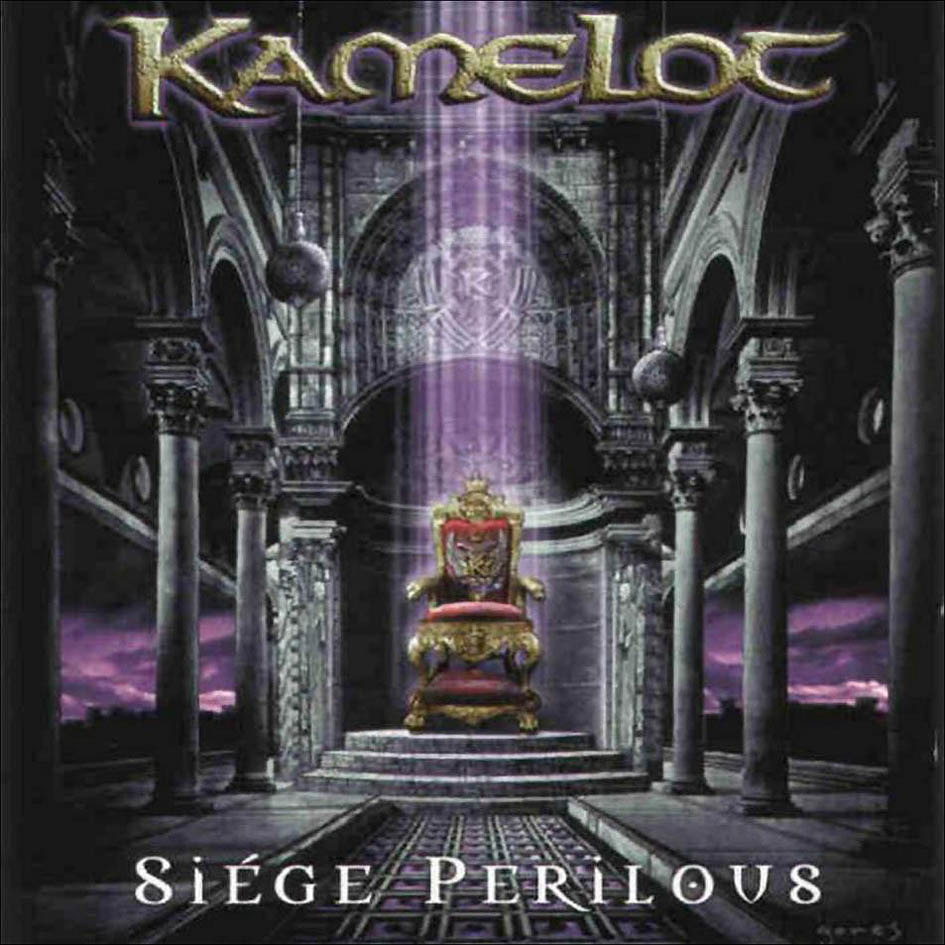
 View Artist