Song Meaning
The lyrics paint a stark picture of sudden, solitary loss. The narrator witnesses a departure, described as a "shadow disappear," leaving them "lost and alone." This immediate emptiness is countered by a ritualistic act of remembrance: lighting a candle with an "eternal burning flame" meant to guide the departed. The imagery shifts from the personal void to a cosmic, guiding light, suggesting a desperate hope that the lost connection might still find its way back or be illuminated.
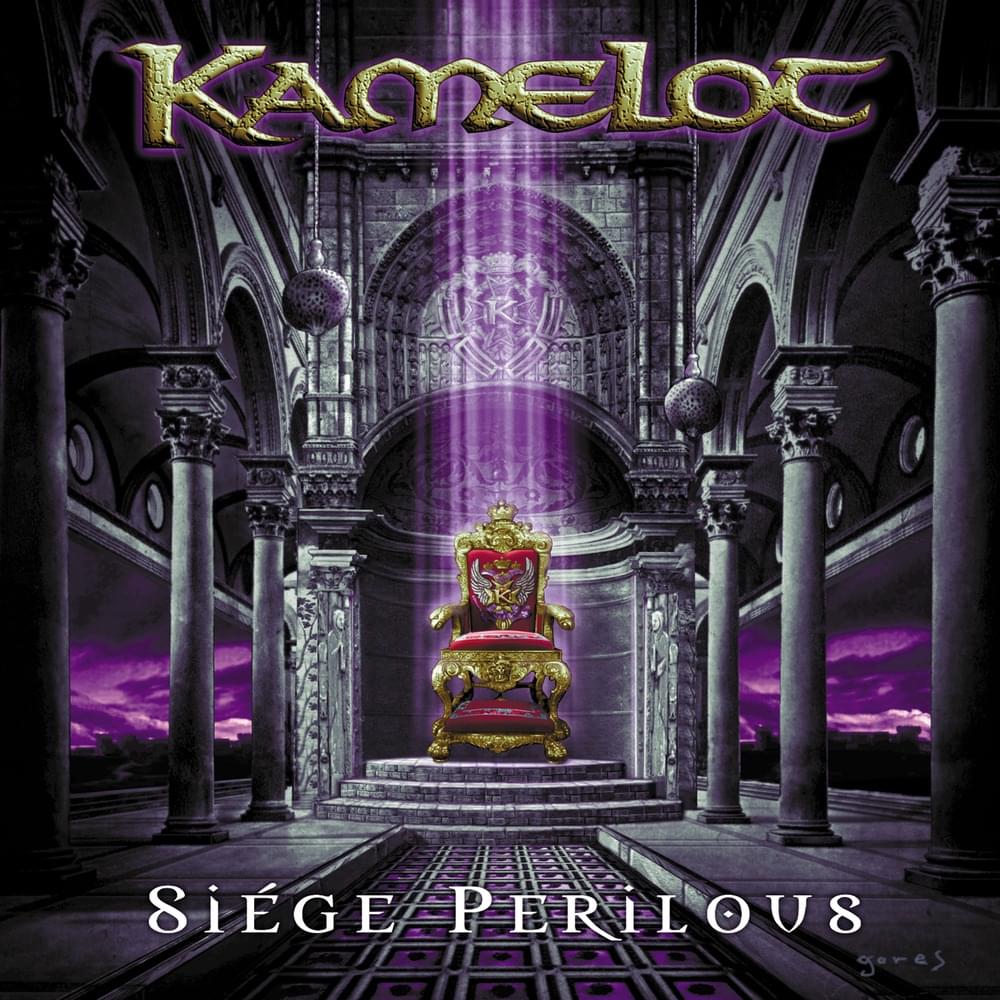
The central tension lies between the acceptance of an inevitable separation and the deep-seated fear of it. The narrator "knew this day would come" but "feared it anyway," a common human paradox. This dread manifests in the image of a "castle's cold and dark," a potent symbol of a once-protected, now desolate inner world. The contrast between the external "warm skies" and the internal "cold and dark" highlights the profound emotional isolation.
The most striking element is the transformation of "what was once a dream" into "our destiny." This phrase pivots the narrative from passive observation of loss to an active, almost urgent embrace of a new reality. The repetition of "to me, to me" emphasizes the intensely personal significance of this shift. The lyrics suggest that even in separation, the memory or ideal of the lost connection now holds paramount importance, becoming the defining element of the narrator's present.
This lyrical arc is effective because it grounds abstract feelings of loss and destiny in concrete, albeit brief, images. The candle flame, the cold castle, and the repeated phrase all work to make the emotional weight palpable. The shift from a solitary "I" to a collective "our" in the context of destiny, despite the physical separation, creates a complex emotional resonance, suggesting that the impact of the lost dream is now the defining force for the narrator.
 View Artist