Song Meaning
The lyrics paint a picture of someone grappling with immense knowledge and the weight of potential actions. Looking into a "black horizon" suggests a confrontation with the unknown or perhaps a bleak future, where increased understanding only amplifies a sense of unease. The narrator attempts to rationalize past conflicts, "justify the wars won," but finds no solace, indicating a deep internal conflict between external achievements and inner peace. This sets a tone of existential introspection, where the pursuit of knowledge doesn't equate to happiness.
The central tension lies in the narrator's perceived power versus their desire for peace. Holding the "future in my hand" implies control, yet the immediate follow-up, "But I could easily destroy," reveals a profound fear of their own capacity for harm. The imagery of "footprints in the sand" that "vanish in the void" powerfully illustrates the ephemeral nature of actions and legacy in the face of overwhelming forces or the passage of time. This creates a feeling of helplessness despite apparent agency.
A key craft element is the recurring motif of "voices that I hear" juxtaposed with the imperative to "Sail away." These voices seem to represent internal doubts or external pressures, urging a choice between confronting these internal or external conflicts ("choose to stay") or escaping them. The chorus offers a path forward through spiritual or metaphorical guidance: "follow the sacred heart" and "Chase the sun," promising a "New Millennium" found within oneself, not in external validation or past justifications.
This writing is effective because it taps into a universal feeling of being overwhelmed by choices and consequences, especially when facing a future filled with uncertainty. The contrast between the desire to "justify" past actions and the soul's lack of satisfaction highlights the futility of external validation. The ultimate message, that the "promised land" and a "New Millennium" are "In your hand," offers a hopeful, self-empowering resolution, suggesting that true peace and renewal come from within, guided by inner conviction rather than external forces.
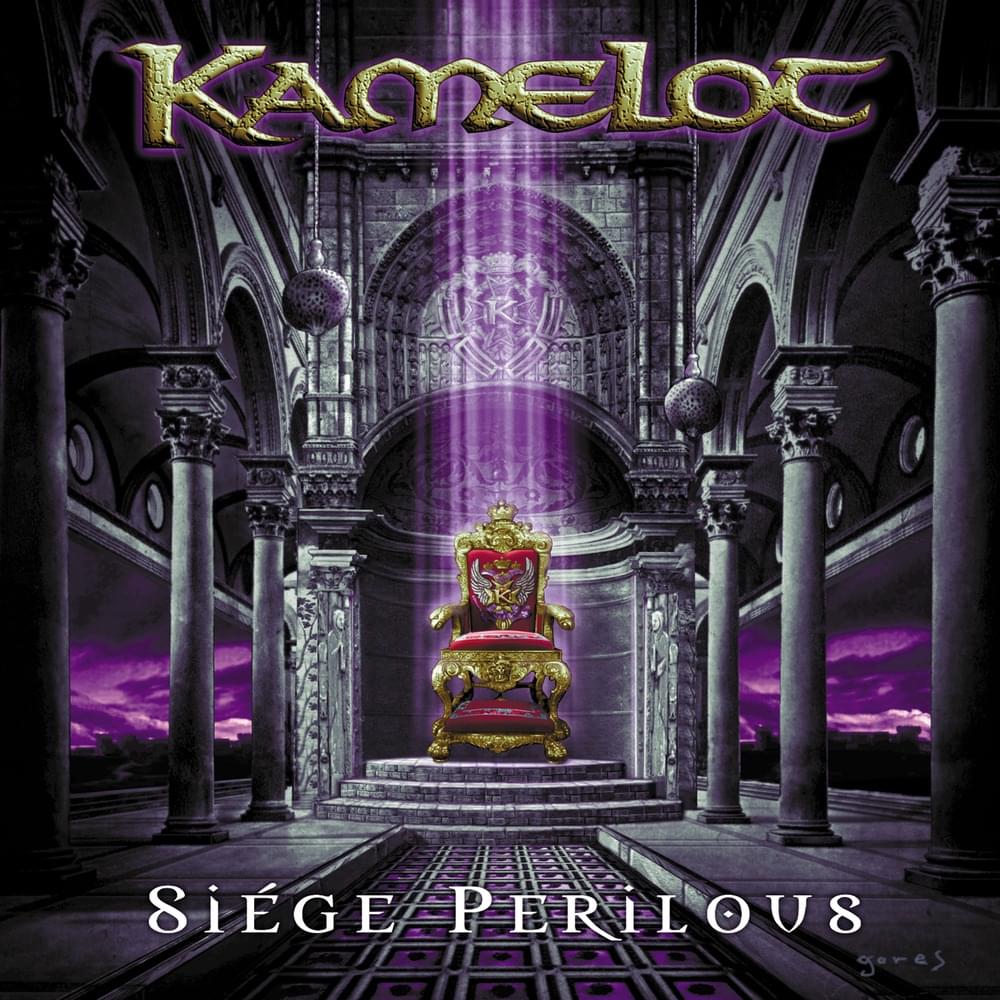
 View Artist