Song Meaning
The lyrics paint a picture of a relentless, almost desperate pursuit of something elusive, framed by the vastness of the sea and the ticking of a clock. The opening questions, "Will you know what it is / When you have found it?", immediately establish a sense of uncertainty and doubt about the very nature of the goal. Despite searching "high above / And you searched far below," the object of this quest remains "so far," suggesting a profound disconnect between effort and attainment. This initial imagery sets a tone of anxious searching against an overwhelming backdrop.
The central tension arises from the inescapable passage of time and an impending, unseen force. The "clock on the wall" isn't just a timekeeper; it "seems that it's calling your name," imbuing it with a personal, urgent threat. The narrator feels pursued, with an unseen entity "right there behind you / Reminding you it's not a game." This creates a palpable sense of pressure, where the stakes are high and evasion is impossible, pushing the narrative toward a confrontation or a final reckoning.
The most striking aspect is the stark contrast between the grand, almost mythical declarations of perseverance and the fragile, immediate nature of the ultimate goal. The repeated vows, "I will conquer the beast / And I'll swim the seven seas" and "I will walk desert plains / Endure gruelling pain," are powerful affirmations of will. Yet, these are immediately juxtaposed with the chorus: "Heaven is a heartbeat away / For your dreams of tomorrow / Could end today." This juxtaposition highlights that the "heaven" being sought isn't a distant paradise, but something intimately close, yet precariously balanced on the edge of oblivion. The repetition of this phrase hammers home the fragility of hope and the ever-present possibility of its annihilation.
This lyrical construction is effective because it grounds an abstract concept like "heaven" in visceral, immediate terms. The grand pronouncements of strength are undercut by the simple, terrifying reality that "tomorrow" might never arrive. The "heartbeat away" suggests that the desired state is attainable, perhaps even already present, but also that it can cease to exist with the same suddenness. It’s this precariousness, the idea that ultimate fulfillment is both within reach and constantly threatened by the present moment, that gives the lyrics their potent emotional resonance.
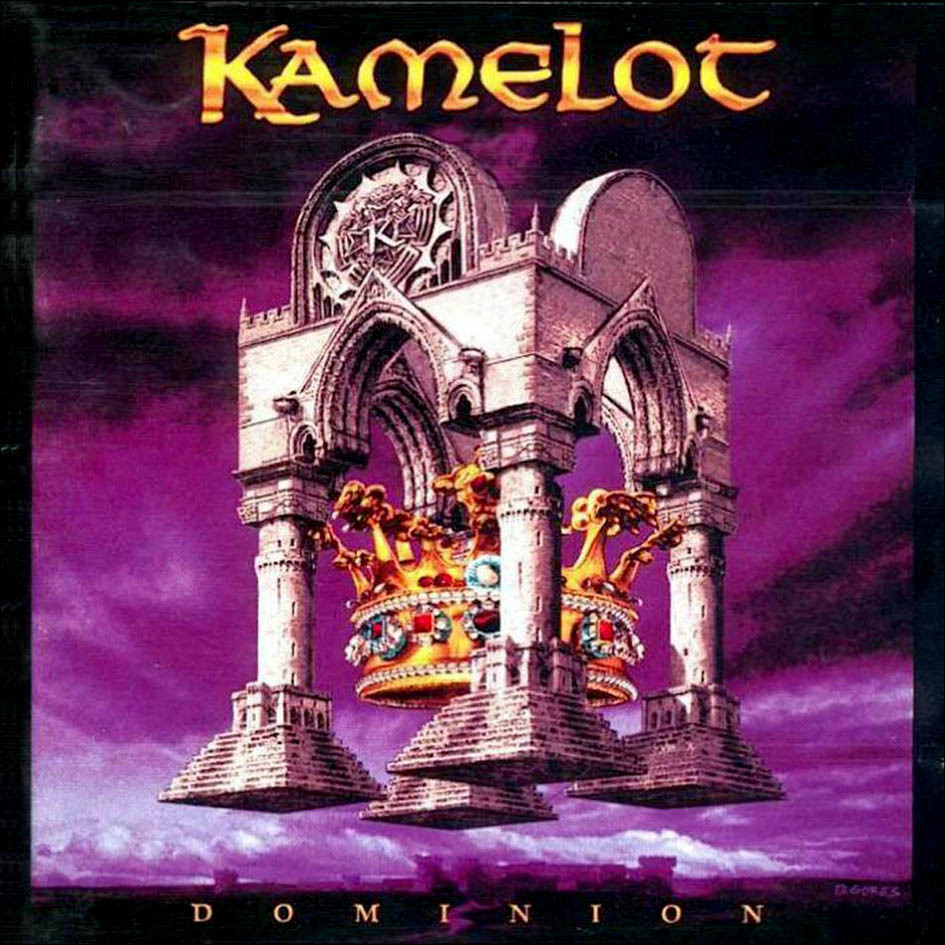
 View Artist