Song Meaning
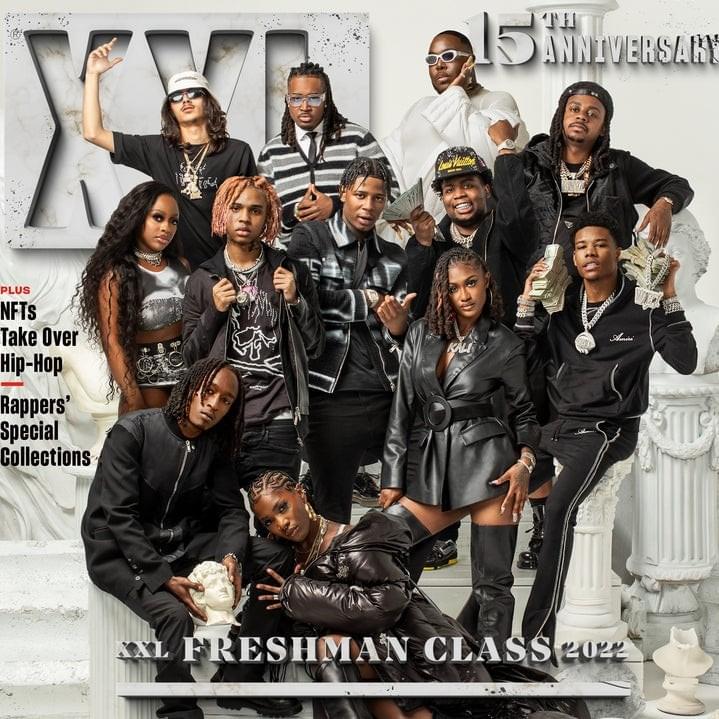
Nardo Wick's XXL Freshman Freestyle kicks off with a boast about overflowing wealth, so much so that his money needs "bigger jeans." This wealth is juxtaposed with a somewhat absurd image of performing at Chinese restaurants and pulling out "a chopstick" for every show, a quirky, almost surreal flex. The narrator then pivots to a declaration of loyalty, stating he'd be a hypocrite if he hated "real niggas," before delivering a punchline about his crew always "takin' shit," implying they're always getting into trouble or taking over.
The core tension here is between Nardo Wick's undeniable success and his persistent, almost defiant, connection to a gritty reality. He asserts his identity is immutable, stating "I can change my skin all white, I'll still be that nigga," and even if physically impaired, "I still find a way to pull that trigger." This speaks to an unshakeable self-perception and a readiness for conflict, regardless of external circumstances. The lyrics suggest a persona that is both thriving and perpetually on edge, where material gain doesn't erase a fundamental readiness for confrontation.
A particularly striking piece of wordplay involves the contrast between "gettin' bigger" and "gettin' litter." While he's not "fat and gainin' weight," his influence or presence is expanding, much like "litter" spreads, implying an undeniable, perhaps even messy, proliferation. He also crafts a clever double meaning around "rated," needing a hat that says "rated" because he's "underrated," a direct challenge to his perceived status. This self-awareness of being overlooked fuels his ambition and his claim that he "waited" for this moment.
What makes these lyrics hit hard is their raw, unfiltered delivery of self-mythologizing. The narrator doesn't shy away from hyperbole or dark humor, using vivid, sometimes jarring, imagery to convey his status and his mindset. The blend of extravagant wealth, unwavering loyalty, and a constant readiness for violence creates a compelling portrait of a rapper who feels both celebrated and perpetually underestimated, driven by a need to prove his dominance. The final plea, "Somebody call a wick-man, I need him to save me," adds a layer of ironic vulnerability, suggesting that even the "wicked" need saving from their own relentless path.
 View Artist