Song Meaning
The lyrics immediately plunge into a scene of stark confrontation within a museum. The speaker asserts a profound, almost elemental identity while directly accusing "patrons" of historical theft and present-day ignorance. There's a palpable tension between deep ancestral pride and indignant dismissal. This isn't just a visit; it's a reclamation.
The core emotional tension lies in the speaker's claim of inherent worth and ownership against the backdrop of stolen heritage. The lines declare a direct lineage to the very foundation of the institution, contrasting sharply with the blunt accusation, "Les vôtres sont des voleurs." This isn't just about physical objects; it's about a profound historical wound manifesting in a present-day challenge to legitimacy.
The bilingual approach is a striking craft element. The initial French lines, like "Je suis la nuit… le sombre" and "l'or, l'or du sol," establish a poetic, almost mythic self-definition, linking the speaker to fundamental forces and inherent value. This foundational claim then shifts to direct English, where the repetition of "All my families riches up in the museum" grounds the abstract injustice in a concrete, undeniable reality, amplifying the speaker's outrage at being unrecognized.
These lyrics hit hard because they refuse to separate identity from history. The speaker doesn't just *have* a connection to the artifacts; they *are* the art, the gold, the night. This powerful self-identification, coupled with the raw, direct accusation and the incredulous "They don't know who I am?", creates an urgent, defiant statement that demands recognition and accountability, making the listener feel the weight of centuries of injustice in a single, potent moment.
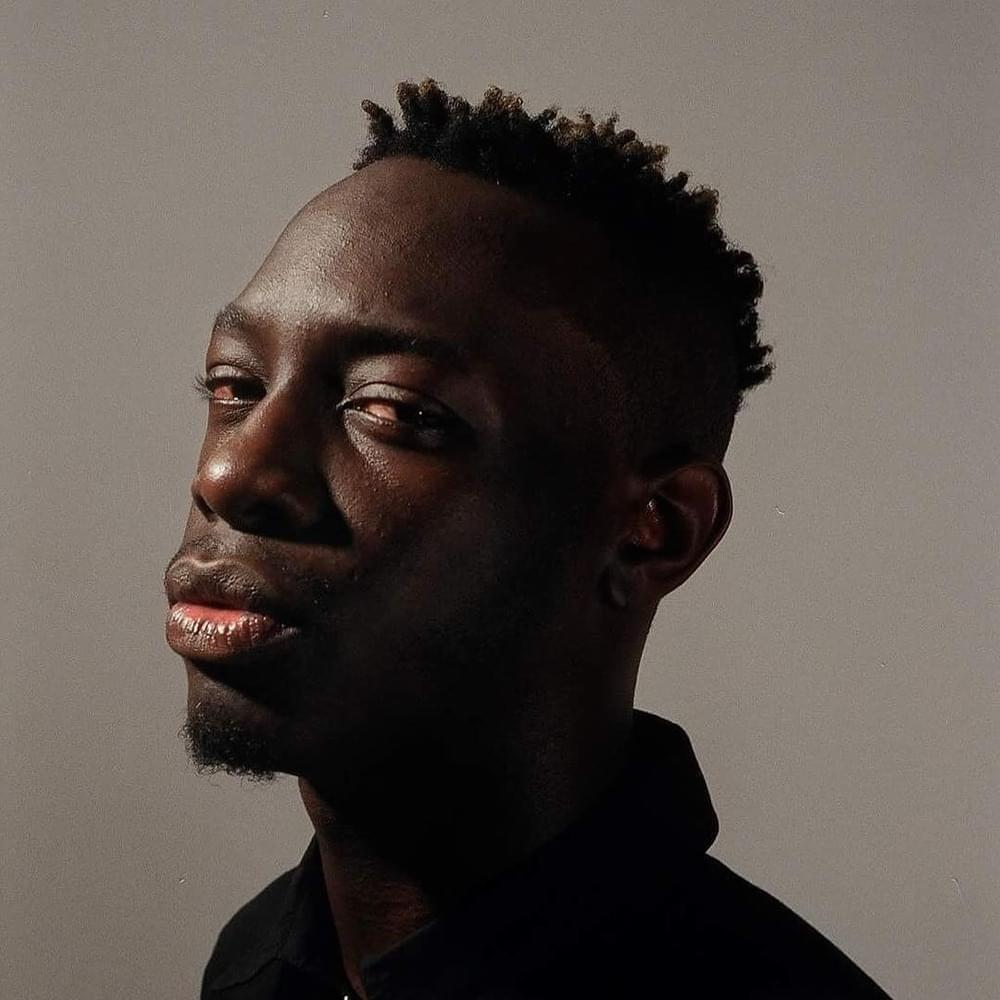
 View Artist