Song Meaning
The lyrics open with a deceptively simple image of a cuckoo bird, seemingly carefree until a specific, ominous date: the "fourth day of July." This immediate contrast sets a tone of impending change or revelation. The bird's clear voice, maintained by "pretty flowers," hints at a carefully constructed facade that will eventually break. The true "cuckoo" call is delayed until the "last day of the year," suggesting a hidden nature or a moment of truth held in reserve.
This tension deepens as the speaker shifts identity, declaring, "I'm a viper." The introduction of "Mary Jane" follows, portrayed as a presence that offers a temporary escape from sorrow but ultimately leads to a definitive "fare thee well." The relationship, whether with a person or a substance, is depicted as one where affection doesn't alter an inevitable, perhaps detrimental, outcome. This section explores the bittersweet nature of fleeting comfort and the certainty of a goodbye.
The narrator's fluid identity is a key craft element, moving from observer of the cuckoo to a self-proclaimed "viper" and then a "soldier in your army." This constant redefinition suggests a character grappling with roles, fighting a "stranger's war" where purpose is unclear, yet duty or an inescapable situation compels action. The bullets that "don't seem to care... what I'm here for" underscore a profound sense of detachment and meaninglessness in the struggle.
Ultimately, the lyrics are effective because they build a powerful sense of bittersweet inevitability. Each verse, despite its distinct imagery, circles back to themes of delayed revelation, fleeting comfort, and a final, resigned farewell. The concluding laughter, following declarations of "nothing more to say," leaves a haunting impression of acceptance, or perhaps a descent into the very "cuckoo" state hinted at from the start.
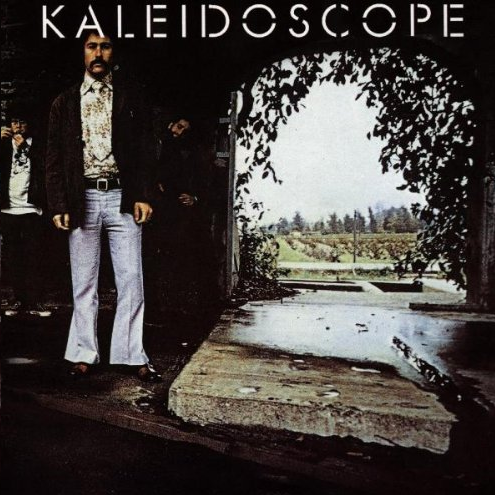
 View Artist