Song Meaning
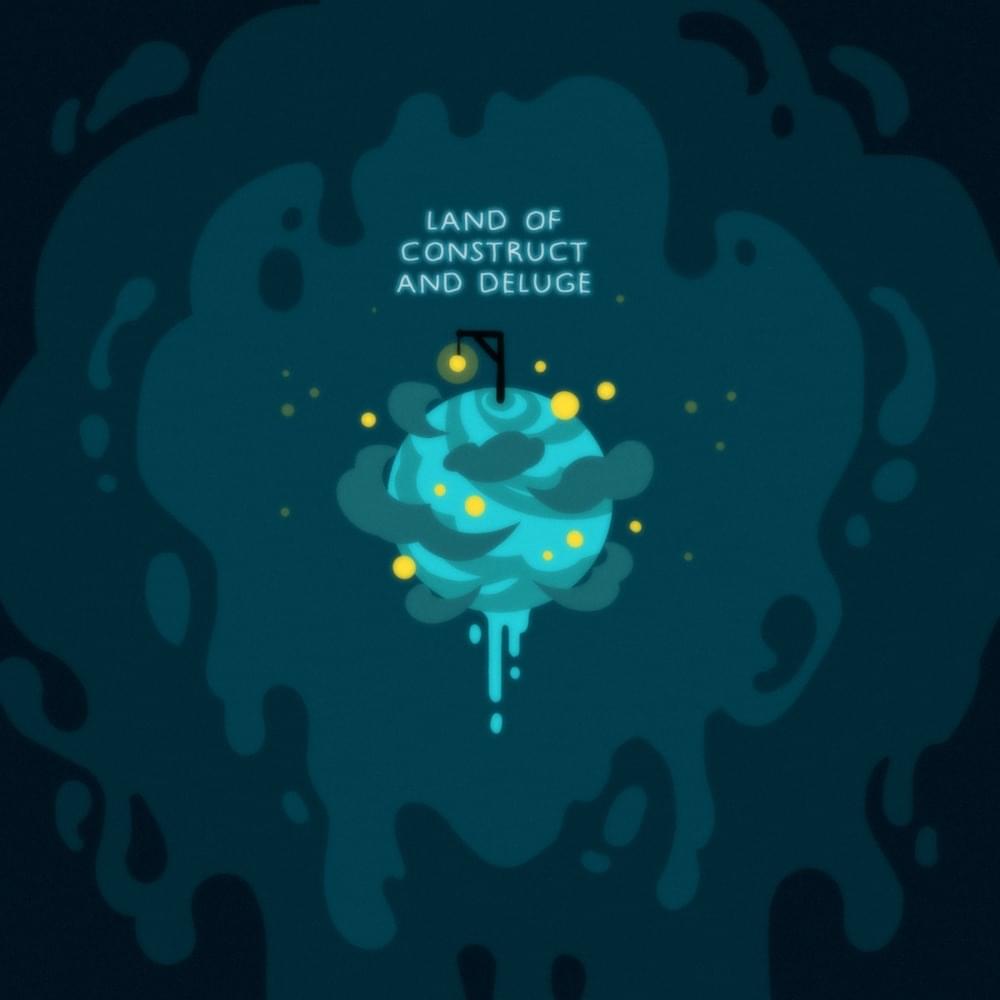
The lyrics paint a picture of a deeply submerged, almost primal existence. The narrator actively "dig[s] worms out of the ground" and "fish[es] for ancient cities drowned," suggesting a deliberate engagement with the past and the subterranean. This isn't a passive drift; it's an active excavation of forgotten depths, a search for something lost beneath the surface of everyday life. The imagery of "sunken ecstasies" and shores "swaddled in fog" creates a mood of melancholic mystery, a world both alluring and obscured.
The central tension lies in the narrator's unique, almost alien perspective, born from this immersion. The water "shepherds" them, implying a guiding force through these submerged realms, but it also isolates them. The repeated assertion, "Unless you've been where I have been, / You can't live well in your own skin," is a stark declaration of this divide. It suggests that true self-acceptance or peace is only attainable through experiencing these profound, perhaps painful, depths.
The most striking craft element is the juxtaposition of the mundane ("dig worms") with the mythic ("ancient cities drowned"). This contrast grounds the fantastical elements, making the narrator's journey feel both tangible and deeply symbolic. Sleeping "down among the dogs" adds another layer, hinting at a base, perhaps even ostracized, existence that paradoxically holds the key to profound understanding. The repetition of the chorus hammers home the idea that this specific, unusual experience is the sole pathway to inner peace.
This writing is effective because it taps into a universal yearning for deeper meaning, even while detailing a highly specific and unusual path to it. The lyrics don't offer easy answers; instead, they present a compelling, almost haunting, vision of self-discovery found not by ascending, but by descending into the forgotten and the submerged. The final lines leave the listener pondering the hidden experiences that shape our sense of self and our ability to feel truly at home within it.
 View Artist