Song Meaning
Kaki King's "Communist Friends" is a masterclass in cognitive dissonance, wrapped in the anxieties of modern alienation. The opening lines – "aching veins and fancy pants" – immediately establish a tension between physical vulnerability and performative identity. This isn't just about surface-level contradiction; it's about the internal battle between who we are and how we present ourselves, further complicated by the awkward, almost comical, mispronunciation of her own name when asked to dance. This small detail explodes into a larger fear: that nothing will fundamentally change, that the performance is all there is. The pretense of authenticity is paper-thin.
The invocation of "communist friends" is, of course, the core of the song's intrigue. The lyrics present a stark duality: these friends both want to help and want to kill. This isn't necessarily a literal interpretation of political ideology. It's more likely a commentary on the contradictory nature of relationships, particularly within communities that profess shared values. The expectation of support clashes violently with the reality of potential betrayal, or at the very least, abandonment. The repeated plea, "Where are you when I need you?" underscores this sense of abandonment and questions the reliability of these so-called allies.
The image of the "receding lifeline" foreshadowing death adds a layer of fatalism. It suggests an awareness of mortality that permeates the singer's interactions and anxieties. Are these "communist friends" symbolic of societal structures, political movements, or even just personal relationships that promise support but ultimately fail to deliver? King doesn't offer easy answers. Instead, she presents a raw, unsettling portrait of a world where help and harm are inextricably intertwined, leaving the listener to grapple with the uncomfortable truth that even our closest allies can be sources of profound anxiety and disappointment. The stark simplicity of the lyrics, combined with King's signature guitar work (not directly evident here, but implied), creates a haunting and resonant experience.
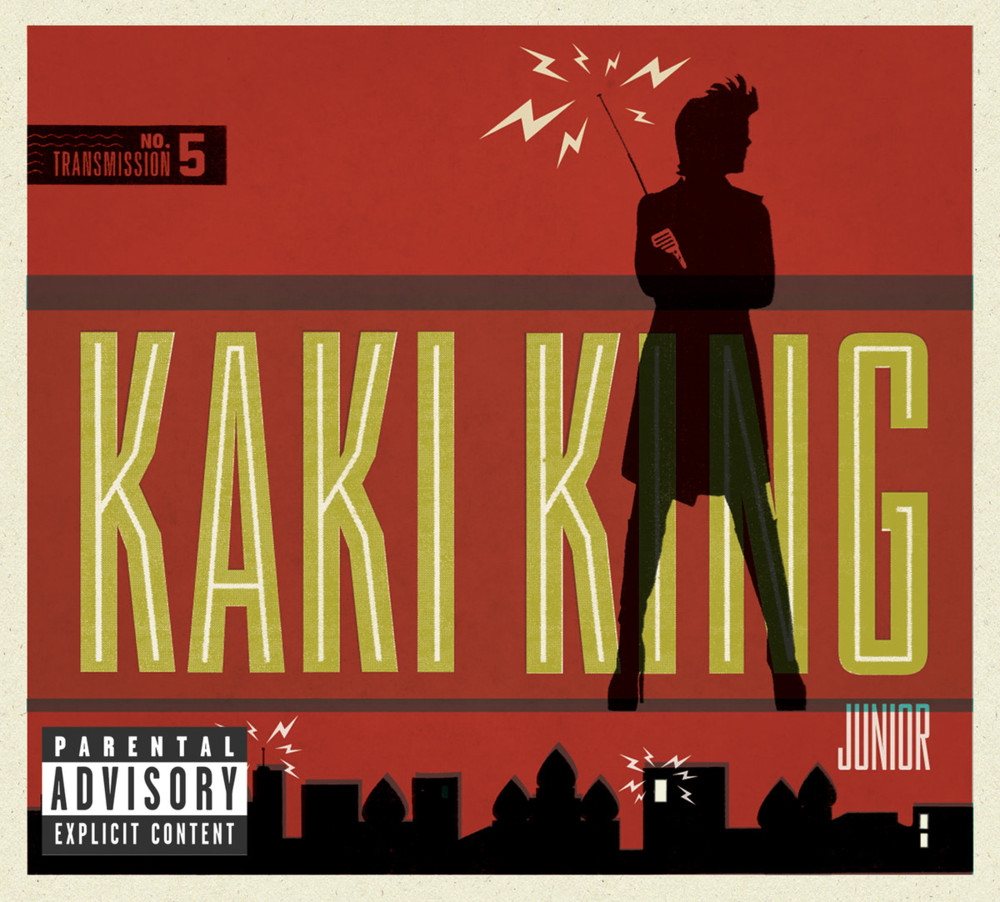
 View Artist