Song Meaning
These lyrics open with a stark, repeated warning, "Achtung Achtung Achtung," immediately signaling an urgent, critical message. A rapid countdown begins, suggesting that "in 28 Tagen kann eine Menge passieren" (in 28 days a lot can happen). This quickly escalates to a chilling prediction: "in 28 Wochen kann es sein dass diese Welt schon nicht mehr existiert" (in 28 weeks it's possible this world no longer exists). The tone is one of impending, inescapable doom.
The central tension here revolves around a global crisis, framed by rhetorical questions about survival. The narrator asks, "Wer hält die Seuche auf" (Who stops the plague) and "Können wir dem Wut Virus entkommen" (Can we escape the rage virus), highlighting a sense of helplessness against overwhelming threats. The definitive statement, "Die Quarantäne Zeit hat begonnen" (The quarantine time has begun), seals the fate, suggesting that the crisis is not just imminent but already underway.
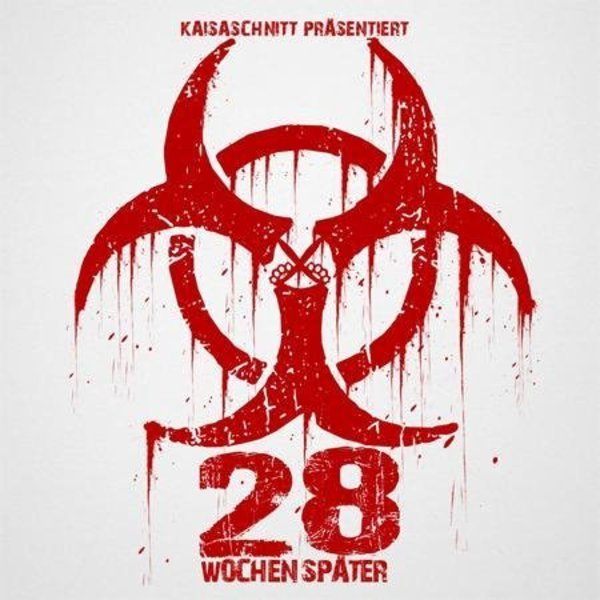
The most striking craft element is the direct intertextual reference: "Kaisaschnitt präsentiert 28 Wochen Später." This explicit nod to the post-apocalyptic horror film "28 Weeks Later" immediately grounds the lyrics in a specific genre, leveraging its established themes of viral outbreak, societal collapse, and desperate survival. This shortcut powerfully evokes a visceral sense of dread and a world teetering on the brink.
The repetitive, almost stuttering chant of "28 Wo-Wochen Später" throughout the piece is incredibly effective. It functions like a ticking clock, a relentless, hypnotic reminder of the dwindling time and the inevitable arrival of a terrifying future. This rhythmic emphasis on the countdown makes the lyrics feel less like a narrative and more like an inescapable, foreboding prophecy, leaving the listener with a profound sense of unease.
 View Artist