Song Meaning
This track opens with a sense of bewilderment, as the narrator grapples with lost intimacy. "Mil caricias que te dao' / ¿dónde se han quedao'?" immediately sets a tone of longing and confusion, questioning where vanished affections have gone. The narrator's desire to be a "buen recuerdo" suggests a resignation to the past, yet this is juxtaposed with a childlike happiness, recalling simpler times and a past idealized image of the person he's addressing.
The core tension lies between the desire for a lasting connection and the fear of it fading into memory. The narrator explicitly states, "Y espero que no se quede en el recuerdo / Y espero contigo llegar a viejo," revealing a deep-seated anxiety about impermanence. This hope for a future, for sharing secrets and growing old together, is directly contrasted with the present reality of potentially lost affection and the fear of separation.
The lyrics employ vivid, almost surreal imagery to capture this emotional state. The idea of "magia negra" suggests a desperate, perhaps even unnatural, attempt to recapture or maintain a connection that feels elusive. The memory of the person appearing "como los años pasados donde ibas en falda / Parecías de un manga" paints a picture of an almost fantastical, idealized past, further emphasizing the gap between then and now. The phrase "Esperando a que tus nalgas pelearan" is a striking, visceral image that adds a layer of raw, physical memory to the otherwise ethereal longing.
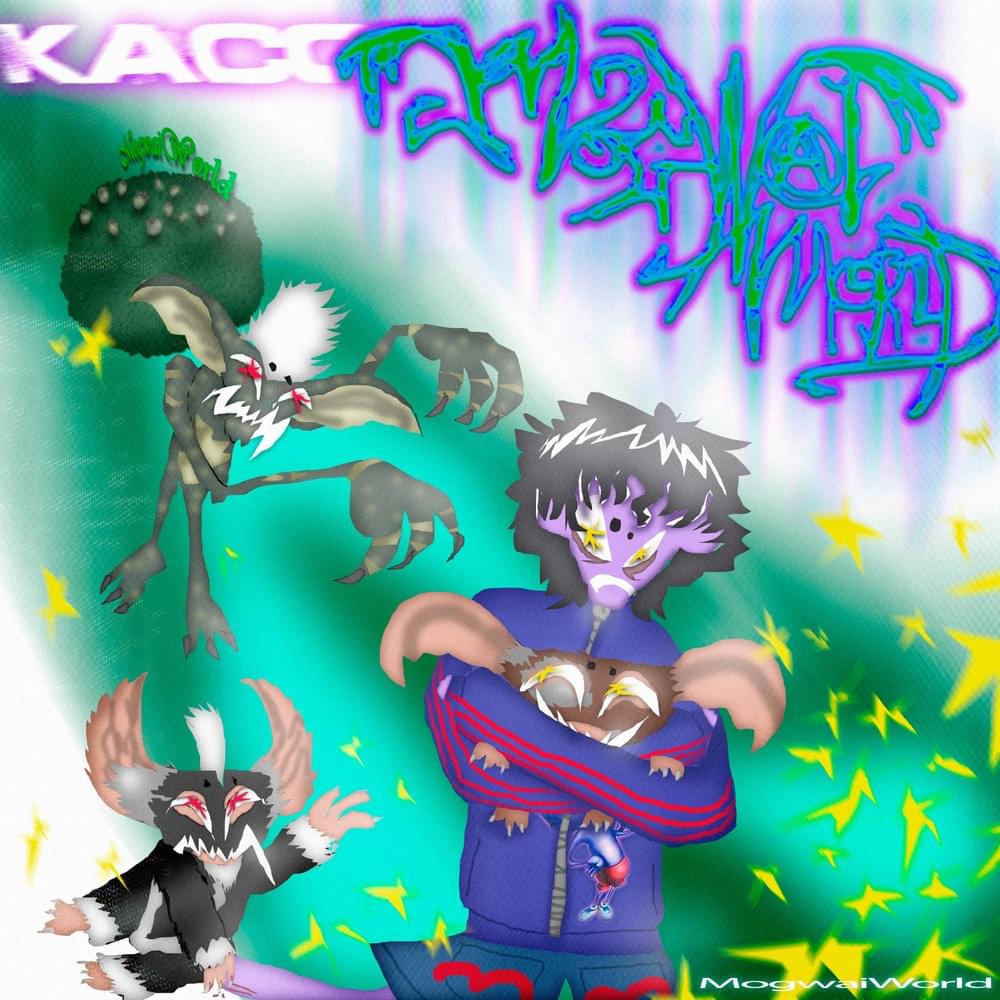
Ultimately, the effectiveness of these lyrics stems from their raw vulnerability and the stark contrast between idealized memory and present fear. The narrator's sincere plea, "La verdad que me da miedo no estar contigo," coupled with the slightly abstract, yet potent, imagery, creates a powerful emotional resonance. The repetition of "MogwaiWorld" at the end, while its specific meaning is unstated, seems to represent a world or legacy the narrator hopes to build or leave behind, tied to his connections, even amidst uncertainty.
 View Artist