Song Meaning
This is a snapshot of a relationship hitting a fever pitch, a moment where the intensity feels almost unreal. The narrator paints a vivid picture of shared experience in a new city, transforming a personal space into a shared territory: "In my mind, we're in New York." This isn't just a visit; it's an declaration of ownership, "baby, now it's our town," signaling a profound emotional investment that's already deep. The urgency is palpable, a desire to keep this momentum going without pause.
The central tension lies in the vulnerability of opening up after past hurt. The narrator admits to being "in deep" but frames it as the only way they know how to exist in this new connection. The plea, "Please don't make me regret / opening up that part of myself / that I've been scared to give again," reveals a deep-seated fear of betrayal or disappointment. It's a delicate balance between embracing the present joy and bracing for potential future pain.
The core of the emotional weight rests on the final, repeated phrase: "please, don't be too good to be true." This isn't just a simple wish for things to stay good; it's a coded anxiety. The narrator seems to be asking their partner to maintain a level of realism, to avoid an idealized perfection that might shatter. It’s a subtle request for authenticity, perhaps fearing that an overwhelming, flawless happiness might be a sign of impending collapse, a setup for a fall.
Ultimately, the lyrics resonate because they capture that precarious, exhilarating phase of new love where joy is mixed with a potent dose of self-preservation. The fear of getting hurt again is a powerful undercurrent beneath the surface of shared excitement, making the simple request for the partner to "be good to me" feel incredibly profound and earned.
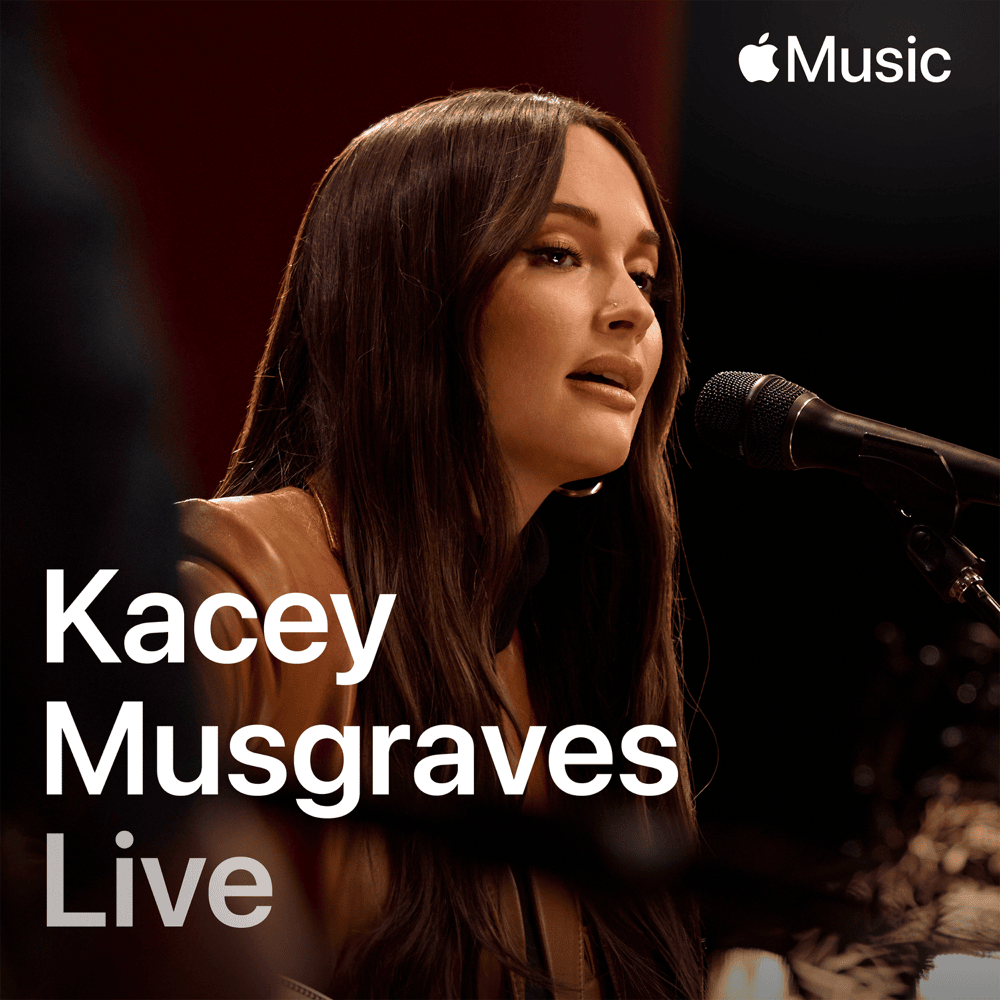
 View Artist